Book Review: Evening in the Yellow Wood by Laura Kemp.

I just finished the delightful book, Evening in the Yellow Wood by Laura Kemp  (TouchPoint Press.) It’s an action-packed, fast-paced story about an immediately likable, twenty-something year old woman on a quest to find her missing father, who disappeared without explanation, which leaves narrator, Justine Cook, and her mother jumping to worst-case conclusions. But a chance occurrence changes all that!

Here is the book’s description:

Abandoned by an eccentric father on the eve of her twelfth birthday, Justine Cook has lived with her fair share of unanswered questions. Now, ten years later she leaves her life in southern Michigan and heads north to the mysterious town of Lantern Creek after seeing his picture in a local newspaper. Once there, she discovers her father had been leading a double life and meets the autistic brother she never knew—a young man who is mute but able to read her mind.

When a local girl who looks like Justine is mysteriously murdered, she joins forces with sheriff’s deputy Dylan Locke to capture the killer. But the more they dig for clues to the past, the closer they come to discovering a secret someone will kill to protect. Justine begins to show signs of supernatural power and eventually must stop an immortal enemy that has hunted her family for generations.

WP_20200720_18_54_24_Pro

( My 11 month old, GSD named Sorcha is always in the picture!)


When I finished Evening in the Yellow Wood, I wrote and posted this book review on Amazon, Goodreads, Facebook, Twitter, and Book Bub. I love to support my fellow authors!

All I knew going into author Laura Kemp’s highly praised Evening in the Yellow Wood is that I loved the title. It’s phonetically pleasing, lyrical, and balanced. Give me a title that sings on a haunting book cover and you have my attention. Hand me a dilemma that yearns on the second page and I’m thoroughly roped in.
In an au currant voice so accessible you think you know the narrator, Evening in the Yellow Wood exemplifies the term “page turner.” It’s an off-kilter, rollicking ride on a hero’s journey; an edge-of-your-seat through-line chock-full of forward momentum in a cauldron of delectable genres that has something for every discerning reader.
Recent college graduate Justine Cook doesn’t know her genetic history. She’s on course of a promising journalism career when one glance at the local newspaper derails her plans. Through the glass window of a hardware store in another town stares her lost father’s photograph. The mystery begins with Justine’s caution to the wind move, and the game begins.
More than a mystery, Evening in the Yellow Wood is commercial fiction walking the high wire of romance strung up by the paranormal. Its personality shimmers, its pacing is breathtaking. It’s the rare writer who makes the unusual plausible, and Laura Kemp does so by anchoring her charming novel in the small-town Midwest. In the name of covert operation, Narrator Justine Cook takes a bartending job and drives “the heap.” She shares an apartment with a delightfully disreputable local and falls in love with a cop– who, it unfolds, is uncannily part and parcel to the whirlwind story, as Justine adheres to the task of finding her father.
Immortality, mind reading, totems, and visions fuel the fire of this spellbinding book. Evening in the Yellow Wood by Laura Kemp is absolutely unforgettable.

Here is Laura Kemp’s bio as it appears online:


About the Author

Laura is a teacher who loves to write about her home state of Michigan. She has a B.A. in Creative Writing from Western Michigan University where she studied under Stuart Dybek, and has had her short fiction and poetry published in Chicken Soup for the Soul, Word Riot, Tonopalah Review, SaLit and SLAB: Sound and Literary Art Book. “The Pursuit of Happiness,” – a short story she wrote while at WMU, was chosen as a finalist in the Trial Balloon Fiction Contest. When not writing, Laura enjoys musical theatre, hiking, swimming, reading and performing with her Celtic band- Si Bhaeg Si Mohr. She also enjoys spending time with her husband and children as well as her dog, two hamsters, two gerbils, ten chickens, two horses and eight (and counting) cats. Laura loves to connect with readers on her blog: laurakempbooks.com/blog (Sea Legs on Land), as well as on Facebook, Twitter (@LKempWrites) and Instagram. (lkempwrites)
And here is the wonderful Laura!


Laura Kemp’s website is here: https://laurakempbooks.com/

WP_20200720_18_50_16_Pro


https:www.clairefullerton.com


Hannah Coulter by Wendell Berry

I just finished Wendell Berry’s 6th novel, Hannah Coulter, as recommended by Sara Steger, whom I met on the Goodreads group, On the Southern Literary Trail, which is a dedicated, enthusiastic reading group in tune with those great Southern writers worth knowing about.

If you’re unfamiliar with American author, Wendell Berry, here’s an introduction:

Wendell Erdman Berry (born August 5, 1934) is an American novelist, poet, essayist, environmental activistcultural critic, and farmer. He is an elected member of the Fellowship of Southern Writers, a recipient of The National Humanities Medal, and the Jefferson Lecturer for 2012. He is also a 2013 Fellow of The American Academy of Arts and Sciences. Berry was named the recipient of the 2013 Richard C. Holbrooke Distinguished Achievement Award. On January 28, 2015, he became the first living writer to be inducted into the Kentucky Writers Hall of Fame.

I thoroughly enjoyed reading Hannah Coulter and am sharing my book review:

Hannah Coulter is a lyrical study in nostalgia, meandering, at times, just as life itself meanders in seeming slipshod episodes that seem incohesive until viewed in hindsight. But the telling of a life can bring it into focus, and the voice of Hannah Coulter, as she explains her life is the voice of gratitude as she builds linear connections with the full awareness that it is the seeming inconsequential, day to day gestures that make up a life.
I loved this book for its intimate introspection. The story is judicious in dialogue, preferring, instead, to gift the reader with the hidden heartbeat of Hannah Coulter, whom we meet as a callow girl and accompany as she grows wise and world-weary, deepens in self-possession, and all this without traveling far afield from the small rural farming community of Port William, Kentucky, whose sphere of activity is an agrarian culture with a network of neighbors who work together in perpetuating a salt-of-the earth livelihood.
The characters in Hannah Coulter are simply dignified. They are subtle souls, reverent of life’s small purposes. They are commonplace characters with depth and an eye to future generations. They are accepting people, tolerant of changing times even as they hold true to maintaining a less convenient way of life in the name of what they know and treat with the sanctity of tradition.
Hannah Coulter lives beneath the layers of plot and resides in the realm of character study. It is a slow growth story of the life of one woman the reader will come to know and cherish, for all her hard-won wisdom.

WP_20200719_09_14_20_Pro (2)

https://linktr.ee/cffullerton


Mourning Dove


I want to share my latest news with you about my third traditionally published novel,  Mourning Dove, whose release date was June 29, 2018.  I am happy to share the news that just yesterday, Mourning Dove won its 7th book award. Above is a Mourning Dove video to show you sliding images of those 7 awards.

I went into the writing of Mourning Dove wanting to write about two subjects: the social mores of the Deep South as exemplified in the setting of the old guard, as its known, and the dynamic between siblings. What fascinates me the most about siblings is the idea that they come from the same history, are cut from the same cloth, yet often turn out differently. The question of why this is led me through the writing of Mourning Dove, and although I have never said this publically ( and probably never will) I wrote down three themes to guide me through the book, otherwise written without an outline. The themes were this: the search for home, the search for identity, and, very loosely, the search for God, as in finding some semblance of understanding as to who’s really in charge, along with the question of what it is that shapes a person; whether it’s nature or nurture?

And with regard to the South with all its traditions, history, and rife population of characters peacock proud to call themselves “Southern,” I thought it best to show the South through the eyes of two siblings named Millie and Finley Crossan, who were born in the North, and come to the South as outsiders during the formative stage of adolescence so they could view their environment without a filter while trying to fit into  the culture.

The sibling dynamic is a significant one to those of us lucky enough to be born to it. We learn who we are in relation to those closest to us, and when it comes to siblings, I believe there is a certain type of mirror imaging at play that helps to define us. I’ll say this about siblings: they never let you forget where you came from.

Mourning Dove’s book description says this:

“An accurate and heart-wrenching picture of the sensibilities of the American South.” Kirkus Book Reviews

The heart has a home when it has an ally.
If Millie Crossan doesn’t know anything else, she knows this one truth simply because her brother Finley grew up beside her. Charismatic Finley, eighteen months her senior, becomes Millie’s guide when their mother Posey leaves their father and moves her children from Minnesota to Memphis shortly after Millie’s tenth birthday.

Memphis is a world foreign to Millie and Finley. This is the 1970s Memphis, the genteel world of their mother’s upbringing and vastly different from anything they’ve ever known. Here they are the outsiders. Here, they only have each other. And here, as the years fold over themselves, they mature in a manicured Southern culture where they learn firsthand that much of what glitters isn’t gold. Nuance, tradition, and Southern eccentrics flavor Millie and Finley’s world as they find their way to belonging.

But what hidden variables take their shared history to leave both brother and sister at such disparate ends?

Here is one poignant reader review of Mourning Dove:

“Style and substance are the two necessary ingredients any book must have. This book exemplifies both. I was charmed and delighted by the author’s descriptive abilities. Her use of language, metaphors, turns of phrase kept me turning each page. She can make a table sound interesting.


I made this book trailer to give the reader an idea of the setting of Mourning Dove.

I hope you enjoy watching the Deep South as I know it!


https://www.clairefullerton.com


Giveaway of A Beach Bag Full of Books! Scroll Through to Enter to Win!

APerennials

When two estranged sisters reunite for their parents’ 50th anniversary, a family tragedy brings unexpected lessons of hope and healing amid the flowers of their mother’s perennial garden.


Little Broken Things: A Novel

“If you liked Big Little Lies, you’ll want to crack open [Little Broken Things]. —Southern Living

An unforgettable and moving novel about an affluent suburban family whose carefully constructed façade crumb

The Enlightenment of Bees

Rachel Linden’s newest contemporary women’s fiction story speaks to the universal struggle of what it means to live a meaningful life where the passions we have meet the needs of the world.

The Book of Lost Friends

A new novel inspired by historical events: a story of three young women on a journey in search of family amidst the destruction of the post-Civil War South, and of a modern-day teacher who rediscovers their story and its connection to her own students’ lives.

Feels Like Falling

It’s summertime on the North Carolina coast and the livin’ is easy. Unless, that is, you’ve just lost your mother to cancer, your sister to her extremist husband, and your husband to his executive assistant.

Outbound Train

In 1976, memories from a night near the railroad tracks sixteen years earlier haunt Barbara Parker. She wrestles with past demons every night, then wakes to the train’s five-thirty whistle. Exhausted and dreading the day, she keeps her hands busy working in Bryson City’s textile plant, known as the “blue jean plant,” all the while worrying about her teenage daughter, Carole Anne.

Trouble the Water

Inspired by a true story, Trouble the Water is about risking everything for freedom. Born a slave, Robert Smalls commandeered a Confederate arms ship from the Charleston harbor, and with the woman he loved and a small crew of other slaves, delivered it to the Union Navy. After the war ended Smalls was able to purchase the house in which he and his mother had been enslaved, and he became one of America’s first black legislators.

The Summer House

Sometimes it takes losing everything to find yourself again.

Lily Bishop wakes up one morning to find a good-bye note and divorce papers from her husband on the kitchen counter. Having moved to Alabama for his job only weeks before, Lily is devastated, but a flyer at the grocery store for a hair stylist position in a local retirement community provides a refuge while she contemplates her next steps.

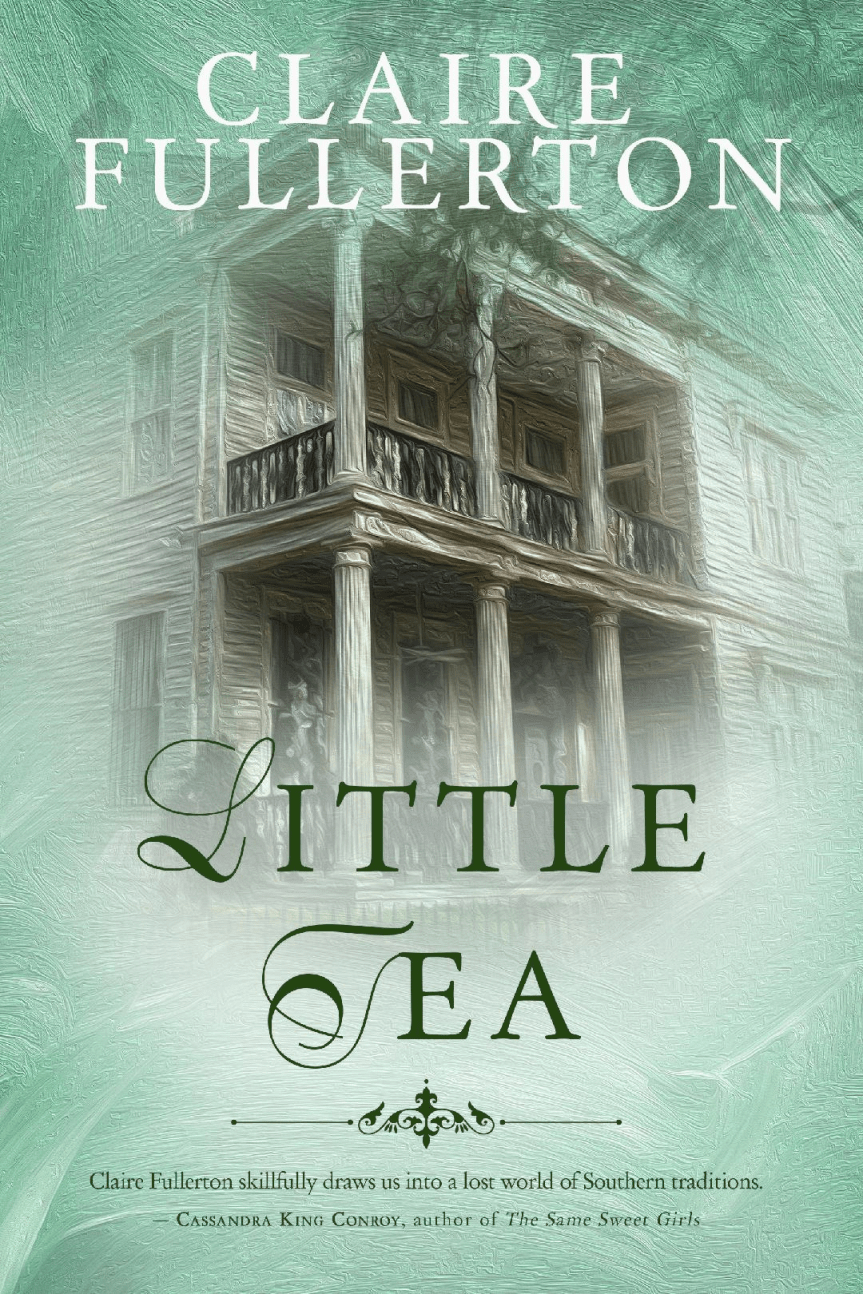
Little Tea

Southern Culture…Women Friendships… Family Tragedy… Healing the Past

As her idyllic coming of age alongside her best friend, Little Tea, on her family’s ancestral grounds in bucolic Como, Mississippi unfolds, Celia Wakefield realizes there is no better place to accept her own story than in this circle of friends who have remained beside her throughout the years. Theirs is a friendship that can talk any life sorrow into a comic tragedy, and now that the racial divide in the Deep South has evolved, Celia wonders if her friendship with Little Tea can triumph over history.

Still Waters

Cora Anne Halloway has a history degree and a plan: avoid her own past despite being wait-listed for graduate school. Then her beloved grandmother requests — and her dispassionate mother insists — that she spend the summer at Still Waters, the family cottage on Edisto Beach, South Carolina.

Across the Winding River

A woman unlocks the mystery of her father’s wartime past in a moving novel about secrets, sacrifice, and the power of love by the bestselling author of Daughters of the Night Sky.

And Then There Was Me


Bea and Awilda have been best friends from the moment Awilda threw her fourteen year-old self across Bea’s twin-sized bed as if they had known each other forever. Bubbly, adventurous Awilda taught sheltered, shy Bea how to dress, wear her hair and what to do with boys. She even introduced Bea to her husband, Lonnie, in college, who pledged to take good care of her for the rest of their lives. But philanderer Lonnie breaks that promise over and over again, leaving Bea to wrestle with her self-esteem and long time secret addiction.

Now that I have your attention, ENTER TO WIN!

In the midst of these unusual times, reading a great novel is a life-line. NYT best-selling author, Julie Cantrell, got the inspired idea to host a beach bag book giveaway and has asked her author friends to participate! I am thrilled to add Little Tea to the giveaway and  am sharing Julie’s instructions on how to enter here:

“Ready for an escape? ONE lucky duck will receive a beach bag PLUS all these stellar books. Sign up for my newsletter at www.juliecantrell.com to learn more. Watch your inbox JULY 1″

Good Luck to all who enter the Beach Bag Giveaway!


.


Little Tea Reader and Book Club Questions.

Little Tea Reader and Book Club Questions

An author’s intention is telling, when they reach out to readers with questions to consider after reading their book. Because my 4th novel, Little Tea’s, themes are universal– the strong ties of long lasting female friendship, the search for home, and the power of resiliency after weathering family tragedy, my hope is the reader will view these topics through their own lens. And because Little Tea explores the racial divide in the 1980’s Deep South and packs a surprise ending, there is is much for readers and book clubs to discuss!

Here are 12 topics for readers and book clubs to discuss, as they appear on the last page of Little Tea:

1. Celia, Renny, and Ava have a friendship that spans decades. What is it that keeps their friendship thriving? Do you have similar ties with your childhood friends?

2. Ava’s marriage hangs in the balance at the center of this story. Do you find Ava’s reasoning understandable?

3. Can you discuss how it might be that Celia and Renny have different views of Ava’s marital predicament? What is it about their personalities and life experiences that shape their opinion?

4. What do you think about the appearance of Ava’s ex-boyfriend, Mark Clayton in the story? Is Ava trying to avoid her marriage by revisiting her lost youth? Can you relate?

5. What are Celia’s feelings for Tate Foley during this story? Does she experience resolution at the end?

6. Discuss Celia and Little Tea’s relationship. What are their differences? What is their common ground?

7. Celia has left the South to start anew in California. Do you find this reasonable? Can anyone ever outrun their past?

8. Celia’s backstory is set in the 1980’s South. What were the racial attitudes in the 1980’s? How have they changed now?

9. Discuss the nuances of the relationship between Hayward and Little Tea? What draws them together? Why, do you suppose, did they keep their relationship under wraps from Celia and others?

10. How do the members of Celia’s family shape the dynamic to this story?

11. Were you surprised by the ending?

12. What do you consider to be the point of the ending?

Little Tea without preorder

A Week of Zoom Meetings for Little Tea

When your publisher finally gives you the release date for your novel, you start planning. You’ve been through multiple rounds of edits, decided on the book cover, have the book’s final PDF, ordered the advance review copies in print, devised a list of to whom the ARC will be sent after emailing those in the media asking for permission to send, created a folder on your computer delineating with whom you’re in correspondence,  contacted book-bloggers, and organized a schedule on social media that walks the fine line of pre-release promotion and too much grandstanding, and, in my case, created a book tour that involves travelling to the Deep South from California.

I had my book tour for Little Tea planned so seamlessly, even I was impressed. I’d leave for Memphis on June 14 and stay in the Mid-South for ten days. I knew where I was going to stay, had scheduled a rented car for pick-up, an itinerary that included nine events, and embraced the logistics of running from pillar to post because it was going to be worth it. I’ve always said the best way to promote a book is to show up in person. Memphis is a long way from Malibu, but I grew up there, Little Tea is set in the region, people know me in Memphis, and the way I saw it, hustling down there would be a wise move. I did this on a small scale with my third novel, Mourning Dove, and it went so well, I figured I’d widen the parameters with Little Tea to include Lemuria Book Store in Jackson, Mississippi, and the Blytheville Book Company in Blytheville, Arkansas. The planning for Little Tea’s book tour took weeks, but I was all set to go!

Then the pandemic hit, and for months, I waited for the jury to come in on how big the impact would be. It seemed many of my scheduled tour stops held onto hope until its last gasping breath before they conceded defeat.

In stages, venues that had never thought about restructuring their business operation found a way around closing their doors. Book stores started curb-side service, looked at their in-store author event schedule and decided to hold the events via Zoom. Then libraries got on board, as did radio and TV stations. It took a while for everyone to adjust to the new normal, but by Little Tea’s May 1st release date, everyone had switched to Plan B.

I spent a week canceling everything that had gone into my trip and emailing back and forth with my book tour hosts about how to proceed. The result is that I never left my office. My husband, as luck has it, is an audio engineer and knows his way around sound and lighting.

Last week, I did my Little Tea book tour virtually, and I had a blast.

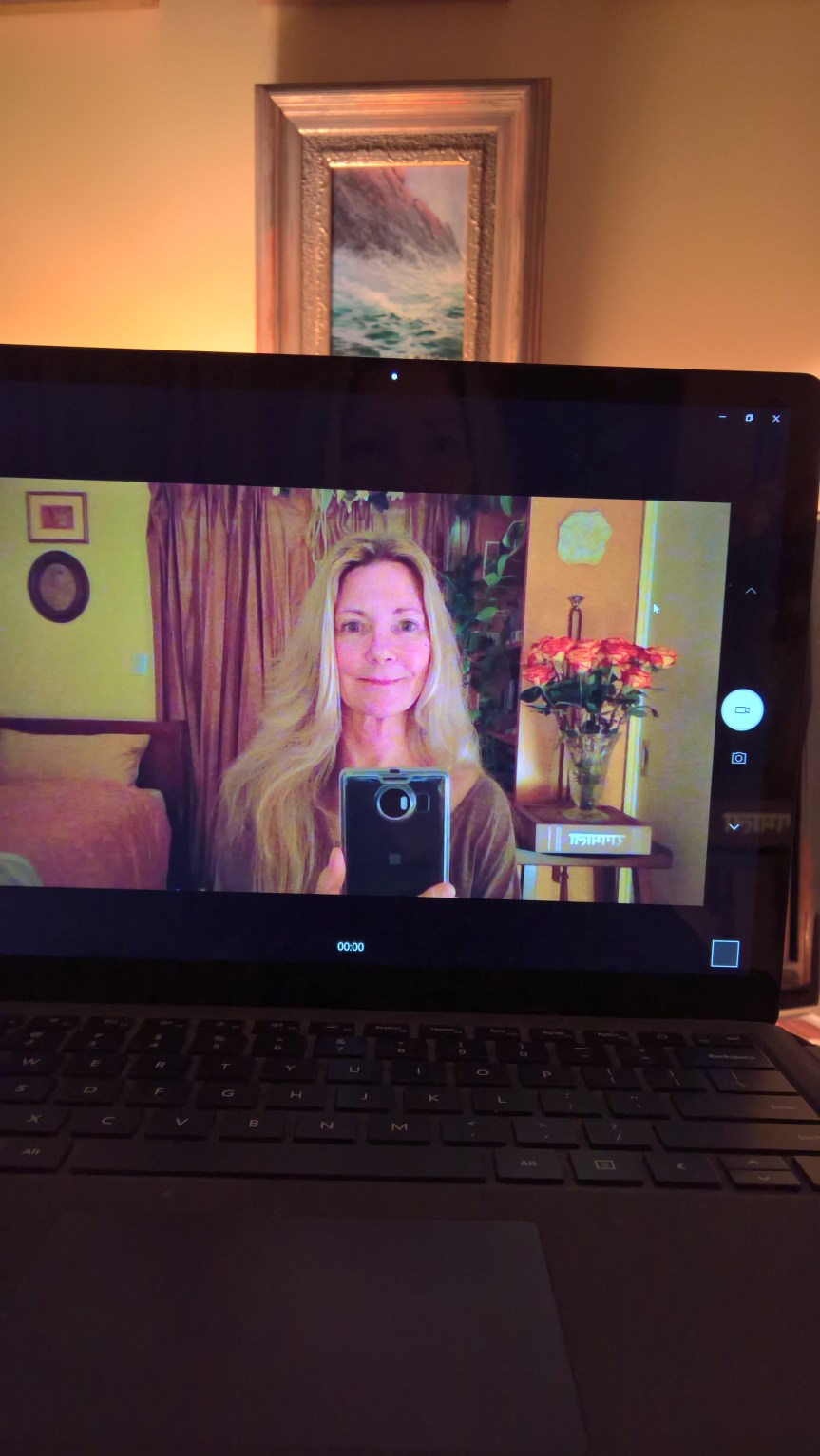
I prepared by drawing the curtains to a close behind my desk, which I hadn’t done once, in all my years of living by the ocean in Malibu, California. I had to clip them together so my desk’s monitor could see me. The overhead lighting above my desk was muted, a lamp was staged behind my 27 inch monitor, and a scarf was wrapped around the shade of my standing desk lamp. My monitor doesn’t have a microphone, but my laptop does, so I steadied it on a stack of books until the devise was close to eye-level. I replaced the wheeled swivel chair before my desk with the hardback chair from my husband’s office. Because I wanted what would appear behind me on-camera to look pretty, I put my mask on, drove down the road, and came home with this:

WP_20200619_17_31_43_Pro

Here is how my office lighting turned out, as photographed as a screen-shot of my laptop:

WP_20200618_14_16_22_Pro

My first Zoom meeting was with The Memphis Public Library. Fourteen avid readers joined and the meeting lasted for an hour. I did a thirty minute presentation concerning Little Tea’s premise, characters, and setting, along with how I arrived at the book’s idea. A question and answer exchange ensued next, which, for me, was the best part.

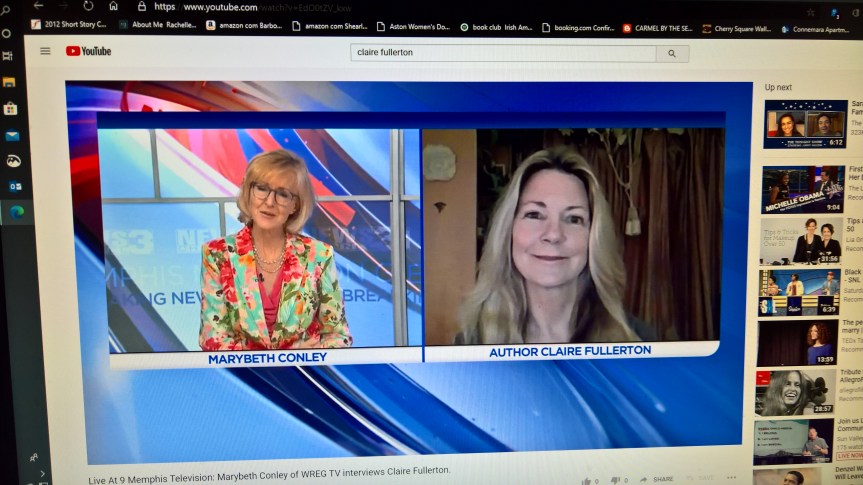
Another Zoom meeting was with WREG TV’s Live at 9 morning show with Memphis’s beloved Marybeth Conley. Let me say that 9 AM Memphis time translates to 7:00 AM in California, but the early rise was worth it!

WP_20200621_09_48_14_Pro


Later that day, I had the best time, ever, as the guest of Memphis’s iconic broadcaster, Earle Farrell. We had so much fun naming our mutual acquaintances that talking about Little Tea took a back seat! Earle Farrell has had an illustrious career in media. He’s worn every shoe from reporter to anchor, and his Earle Farrell 4 Memphis show has the benefit of Facebook streaming.

Earl Farrell Show

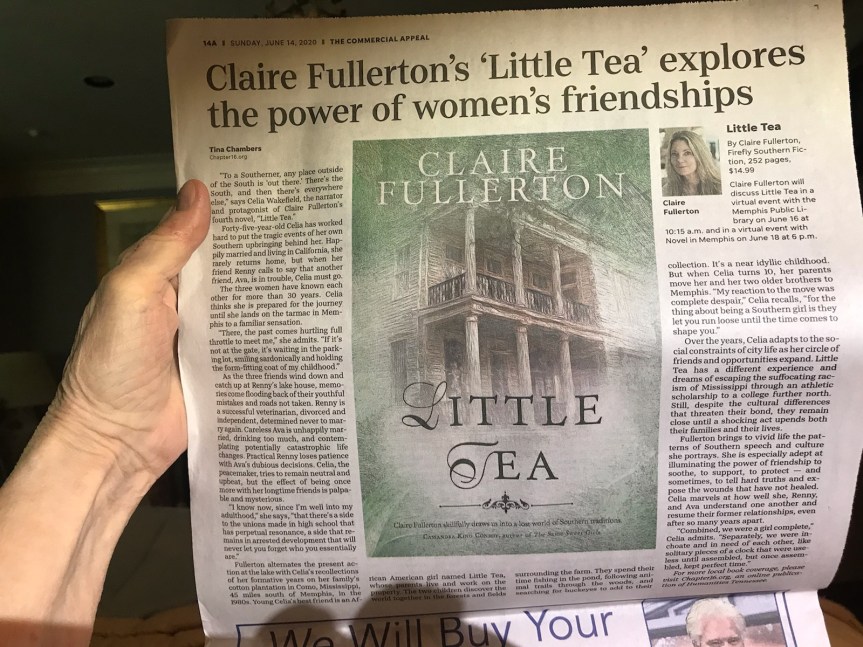
I met with book clubs last week and was thrilled Last Sunday, when a Memphis friend texted me this, which kicked off the week with high-coverage of my local Zoom appearances.

Commercial Appeal Little Tea


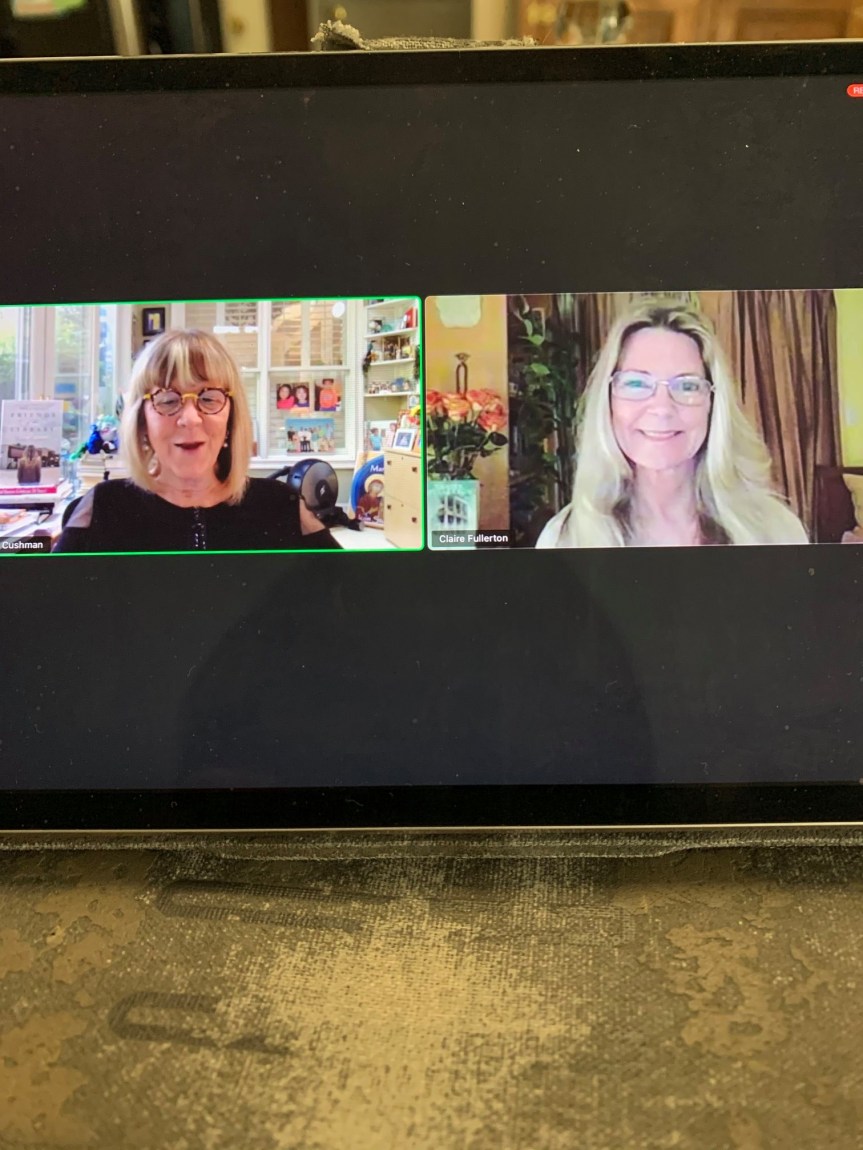
The highlight of my week was a sold-out author webinar, hosted by the wildly popular Novel Book Store and moderated by fellow author, Susan Cushman, who did a first-rate job asking me questions and fielding reader’s comments. Susan Cushman is an adored author in South, and that she agreed to moderate the event was a gift beyond reason. For one author to interview another guarantees all bases will be covered! I cannot thank Susan Cushman and Novel Book Store enough. 100 attendees joined and the experience exceeded my expectations.

Susan Cushman and me at Novel

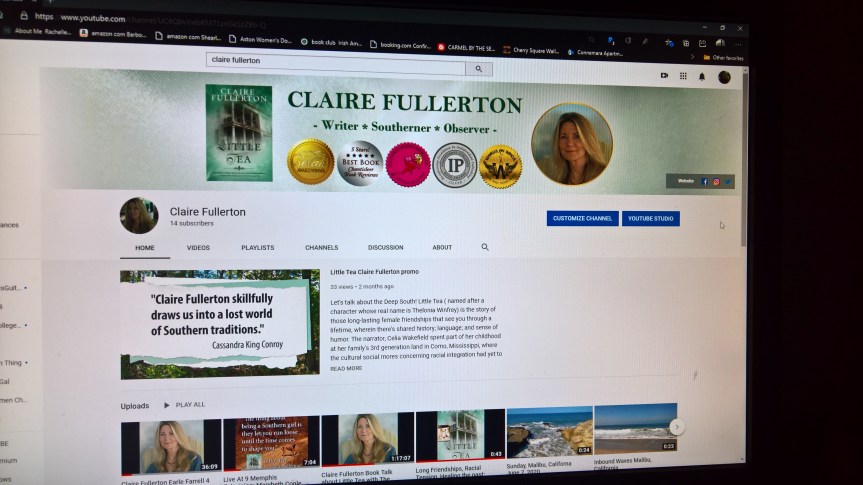
I have a few more Zoom meetings schedule before my Little Tea tour concludes. The great thing about doing a Zoom event is that those who missed it can watch it at their convenience on my YouTube Channel, which can be found by going to YouTube and typing in Claire Fullerton!

YouTube Screen Shot

All told, it was a great week, and although the pandemic precluded in-person appearances, I am infinitely grateful to all who made adjustments and accommodated my schedule.

Isn’t technology wonderful?


https://www.clairefullerton.com

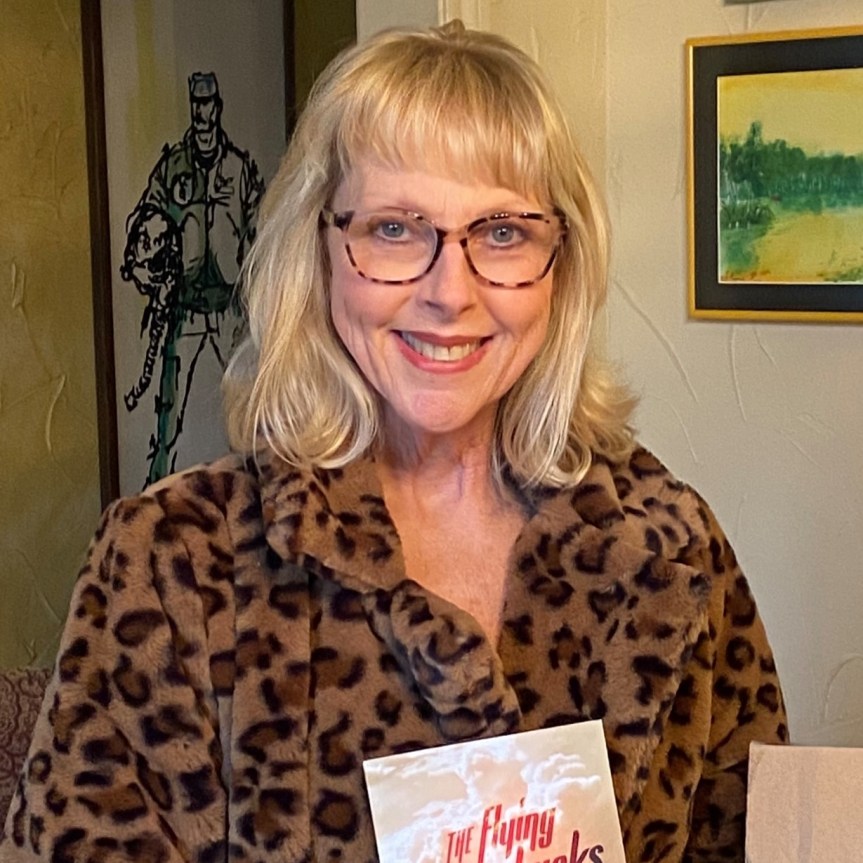
Just Released: The Flying Cutterbucks by Kathleen Rodgers.

Kathleen Rodgers’ The Flying Cutterbucks is a wonderfully unusual, romp of a realistic ride through the tension of a presidential election. Author Kathleen Rodgers takes a firm stance and keeps it real with well-drawn women characters you won’t soon forget. Memories unfold, the past haunts and ghosts are laid to rest in this intricately woven story set on the outskirts of Pardon, New Mexico to such a nuanced degree that you’ll feel as if you’re there. A celebration of strong, resilient female characters, The Flying Cutterbucks roared onto my Kindle device and kept me riveted.

Beach party

Book Description: Decades ago, Trudy, Georgia, and Aunt Star formed a code of silence to protect each other from an abusive man who terrorized their family. One act of solidarity long ago lives with them still. With the election of a president who brags about groping women without their consent, old wounds and deep secrets come alive again, forcing hard truths to be told and even harder truths to be left to the dead.

On the outskirts of Pardon, New Mexico, Trudy returns to her mother, Jewel, to navigate an old house filled with haunting mementos of her father who went missing in action over North Vietnam. As she helps her mother sift through the memories and finally lay her father to rest, Trudy will do her own soul searching to say goodbye to the dead, and find her way along with the other women in her family, and through the next election.

About the Author: Born and raised in Clovis, New Mexico, Kathleen M. Rodgers is a novelist whose stories and essays have appeared in Family Circle Magazine, Military Times, and in anthologies published by McGraw-Hill, University of Nebraska Press/Potomac Books, Health Communications, Inc., AMG Publishers, and Press 53. 

Seven Wings to Glory, Rodgers’ third novel, deals with racism and war and won an Honorable Mention for War & Military in the 2017 Foreword Indies Book of the Year Awards and was shortlisted for the 2017 Somerset Awards. Her second novel, Johnnie Come Lately, has garnered multiple awards, including the 2015 Gold Medal for literary fiction from Military Writers Society of America. 

Rodgers is also the author of the award-winning novel, The Final Salute, featured in USA Today, The Associated Press, and Military Times.

She and her husband, Tom, a retired USAF fighter pilot/commercial airline pilot, reside in a suburb of North Texas with two rescue dogs. After raising two sons, she  became a grandmother and is at  work on her fifth novel.

https://kathleenmrodgers.com/


Southern Heat and the Making of a Book Trailer

While I researched my novel, Little Tea, I visited three locations in the Deep South: Greer’s Ferry Lake in Heber Springs, Arkansas; Memphis, Tennesse, where I grew up; and Como, Mississippi, which is 45 miles south of Memphis. It was the month of July, in the high heat of summer, and if you’ve ever been to the Deep South in the month of July, you know the gauze-like, humidity is part and parcel to the experience.

I embraced it all from the second my plane from Southern California landed. Through the automatic, sliding glass doors, the humidity hit me with the life force of a raging inferno and followed me all the way to my friend’s waiting car.

In the Deep South, much thought goes into escaping the heat. People live in air-conditioned wind tunnels that drown out all sound and wear cotton sweaters inside, which seems, to me, utterly ironic, but there you have it.

There’s a specific character to the Deep South in the summertime that has much to do with the climate, a weighted sultriness that eases on the skin and slows everything down to the point that most things seem nice and easy. Nobody complains about the heat because it’s a regional given. Southerners live in harmony with the heat, build their houses with verandahs, put ceiling fans above, screens before their front doors, and rocking chairs out front because channeling the slightest of breeze is a cultural pastime.

It’d been a long time since I’d been to the South in the dead of summer, but I wanted to photograph Little Tea’s setting in the region’s full, resplendent nuance. I wanted the setting of the Little Tea to depict the South as character, and for that, I needed the trees in their fullness, the flowers in bloom, the sun’s glaring halo over Greer’s Ferry Lake, and the dirt roads fully shaded yet dry as a bone.

Photographing the setting of Little Tea, I knew, would anchor me to the South as I wrote the story, back home at my desk in California, but what I had in mind all along was a series of moving images with which I could gift the reader. After all, a picture tells a thousand words when it comes to a lasting impression. Included, here, is the book trailer of Little Tea I created. My hope is it will give Little Tea’s readers a good sense of place.


https://www.clairefullerton.com

Touring Como, Mississippi

I had cause to go to Como, Mississippi when I researched the area during the writing of my novel, Little Tea. A friend of mine knew I was writing a book set in Como and had the inspired idea to introduce me via e-mail to a Como local named Sledge Taylor. “Trust me on this,” she’d said. “Sledge Taylor will show you the lay of the land.”
I set a date with Sledge Taylor and flew from California to Memphis, where I stayed a few days then drove 45 miles south to Como, anticipating a full afternoon of being a tourist.

What follows is my attempt at sharing that memorable trip to Como, Mississippi, in hopes it will give you a taste of what can be found in a small gem of a town tucked away in the Deep South.
Driving from Memphis to Como, Mississippi on I-55 South, the flat Delta land is weighty. In the greening of May, both sides of the highway teem with flourishing oak, elm, hickory, and pine set among ochre forest litter so dappled and dense, it haunts with a history, its watchful eyes on the back of your neck.

WP_20170502_07_26_39_Pro


Turning off I-55 to Oak Avenue into Como, the first thing I saw was a rust-colored water tower on Sycamore Street,
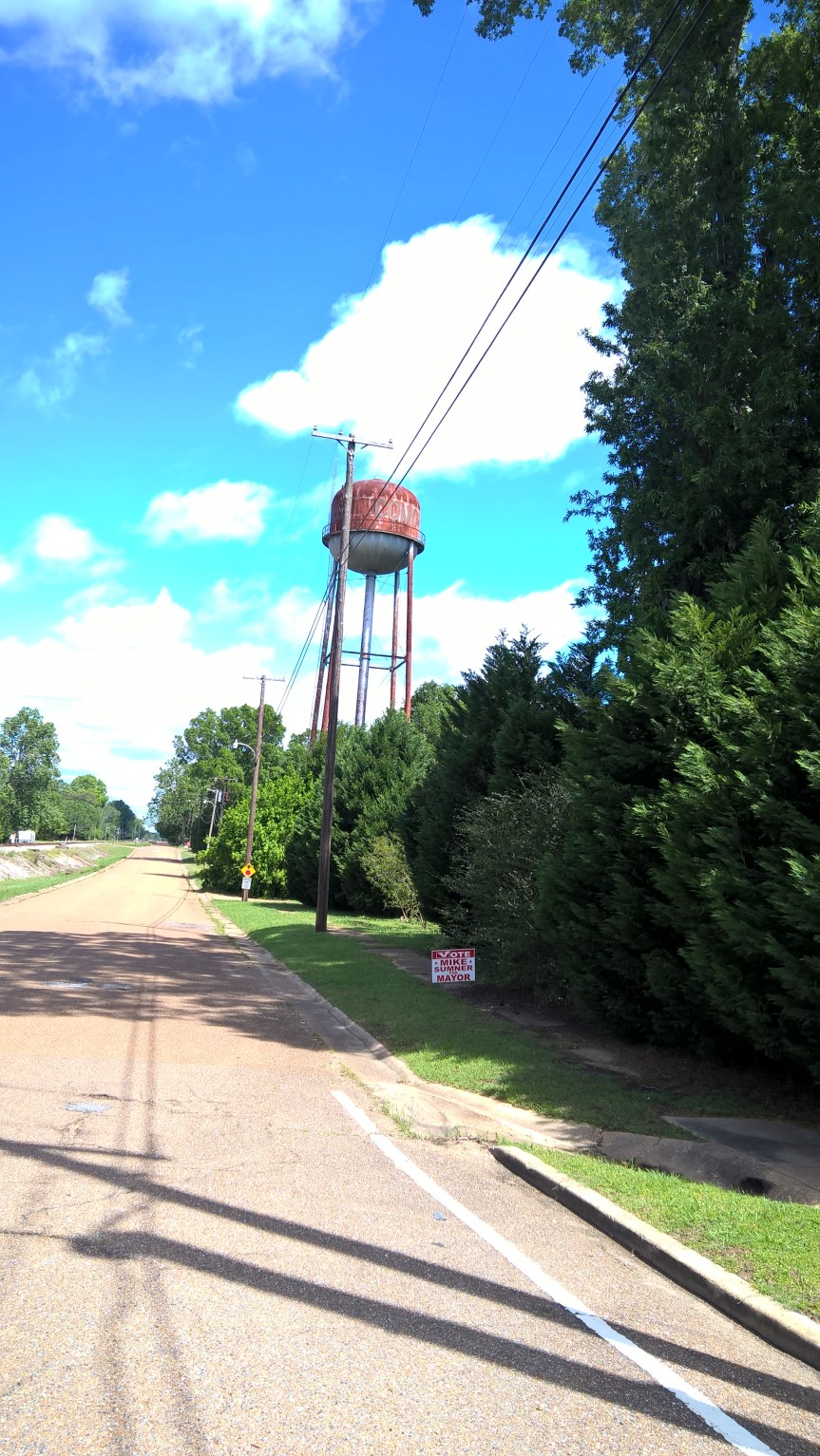
WP_20170501_11_17_09_Pro

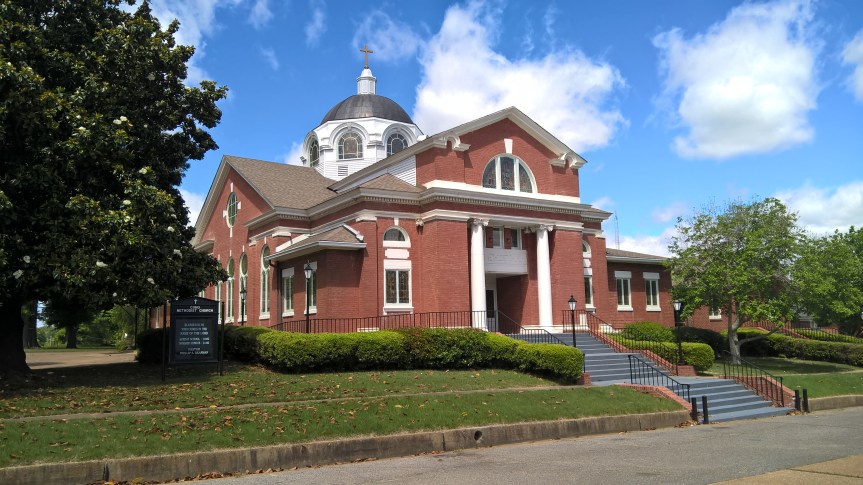
across the road from red-brick and multi-windowed Como Methodist Church, which looms on the corner of Oak and Main, its black signage announcing in white block letters, “Blessed Is He Who Comes in the Name of the Lord.”
WP_20170501_11_21_03_Pro

Down on Main Street, a row of one-off businesses sit like ducks in a row facing the railroad tracks.

WP_20170501_12_37_13_Pro

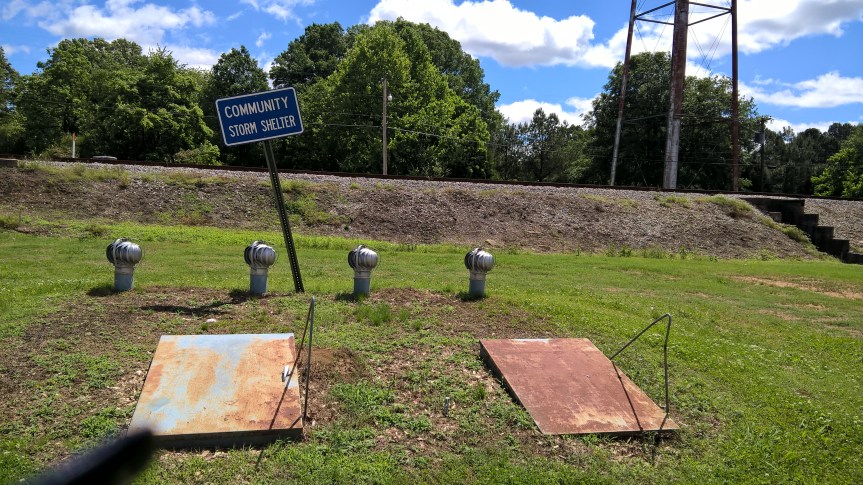
On the berm before the tracks, two community storm shelters lie side-by-side, their weathered metal doors to the underground ensconced like coffins with handrails no bigger than a coat hanger.
WP_20170501_11_23_18_Pro
I met Sledge Taylor at his office, in a brick building his family has owned since 1880. It was tucked down a hallway behind a glass door announcing “Office, W.S. Taylor, Jr. Farms,” topped with adhesive decals telling of his life: Delta Wildlife, Farm Families of Mississippi, University of Mississippi, and the National Cotton Council.

WP_20170501_12_37_09_Pro


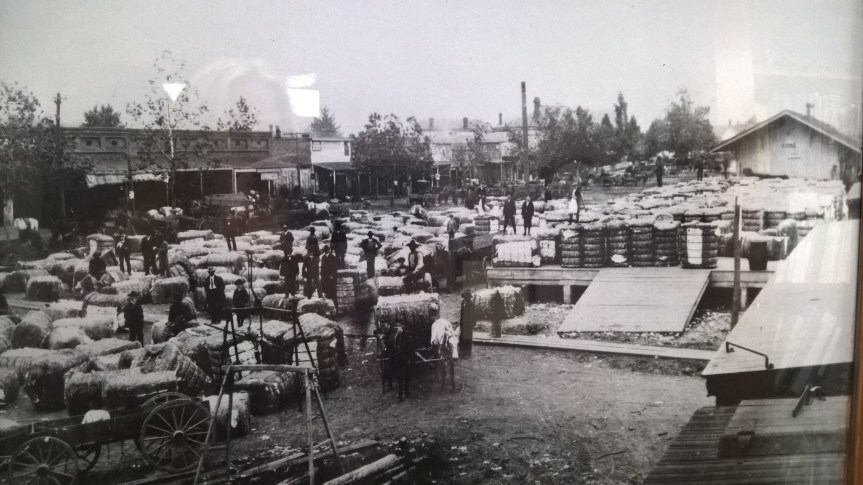
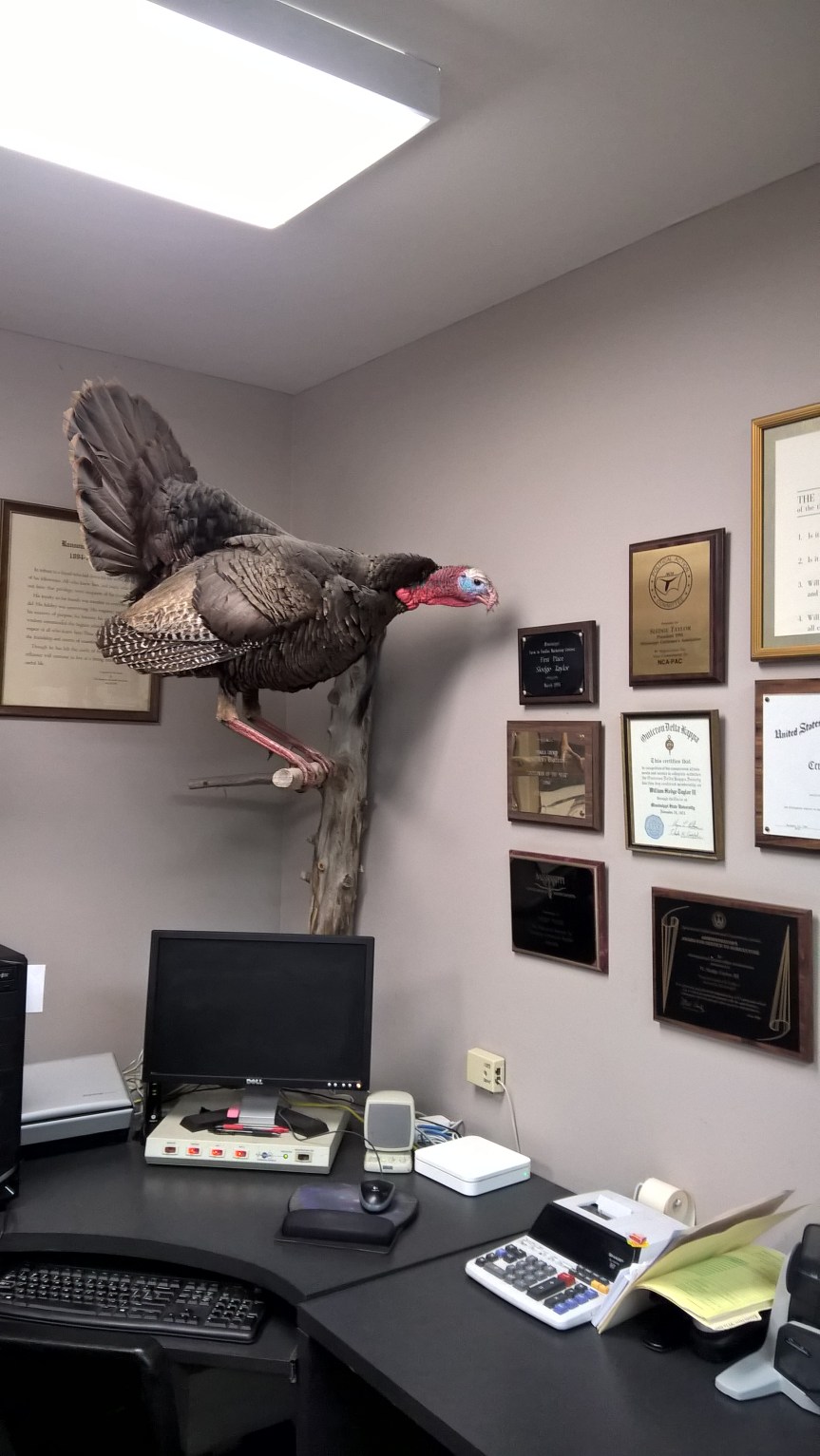
In his office, tiers upon racks upon bookshelves like a shrine to Como’s antiquity. There were plaque awards from cotton associations, faded photographs of men in bowties smiling before stacks of cotton bales,
WP_20170501_12_54_12_Pro

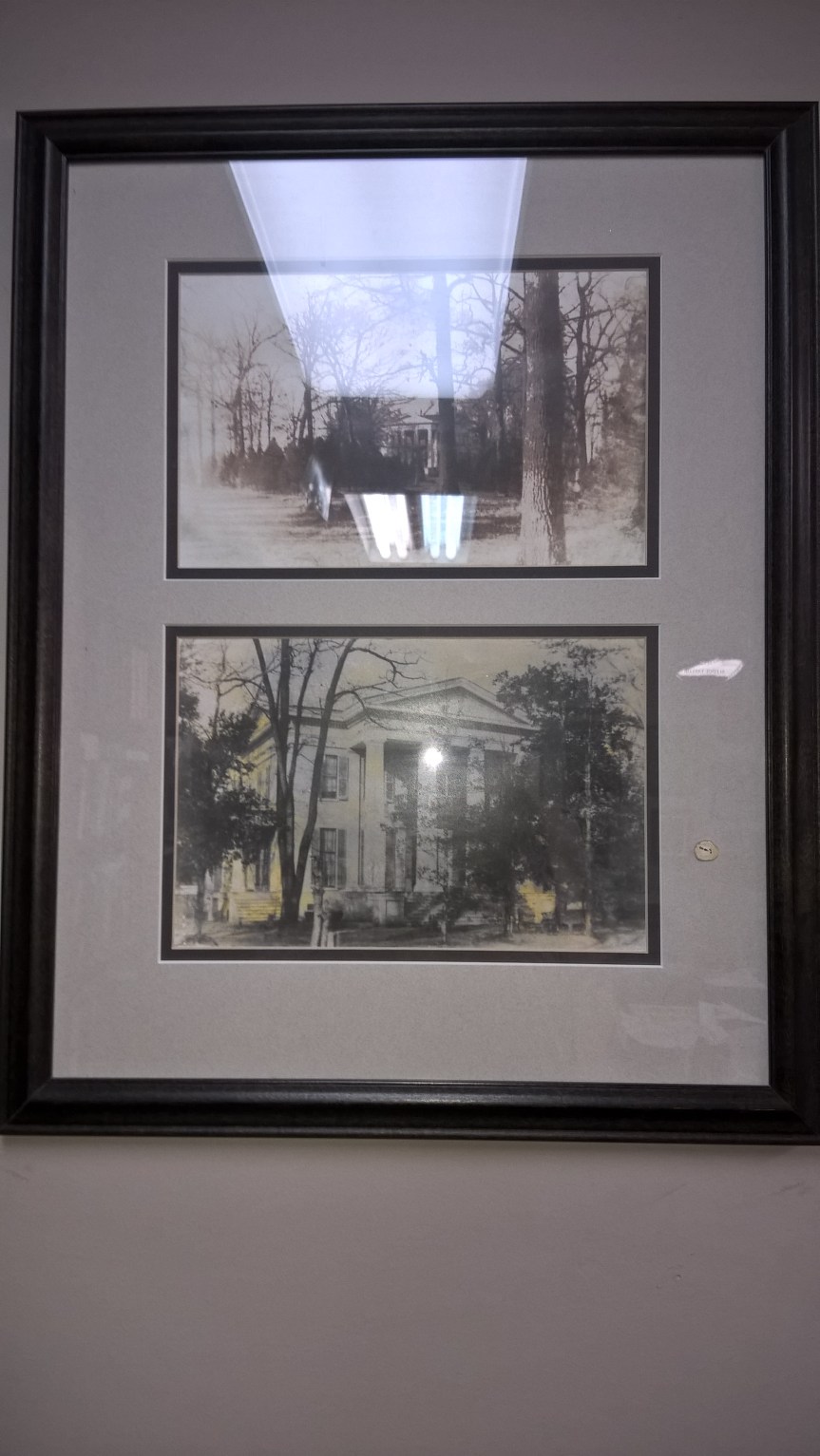
and multiple images of his family’s plantation taken at different stages of prosperity.
WP_20170501_11_37_50_Pro

In the corner, a full-size taxidermy turkey perched in profile, its red head and tail feathers up, glowering above a computer.
WP_20170501_11_29_49_Pro

It was a thinking man’s racket of an arrangement, a ramshackle office on beaten wood floors so fascinating at every swivel, I wanted to stay and disregard why I was there.

WP_20170501_11_32_30_Pro
Sledge Taylor didn’t seem the agrarian type. Were you to pass him on the street, the last thing you’d think is there goes a farmer. A scholar or historian would be your first guess, and you wouldn’t be far off because today’s version of a Como farmer necessitates artist, historian, and scientist rolled into one. Spending time with this erudite man was an education in small-town history and what it means to be a gentleman farmer.
After a gravy-smothered plate lunch at The Windy City Grill,

WP_20170501_12_03_05_Pro

Taylor I took to the sidewalk of Main Street, where I received a tutorial in the history of every building standing shot-gun style on the historic street. Taylor currently owns the building that was once the town’s general store.


In its interior, everything was frozen in time. A mule harness dangled from a wall peg, a massive dust-covered, slatted accountant’s desk stood high with a matching wood stool, rows of curio shelving housed pitchers and planters and sets of china,

WP_20170501_12_39_56_Pro

and in one of the walls, a man named S.L. Sturdivant had thrown an ice pick at the 1968 Como Parts calendar, and it remained embedded because it made a good story and nobody thought to remove it.

WP_20170501_12_40_04_Pro
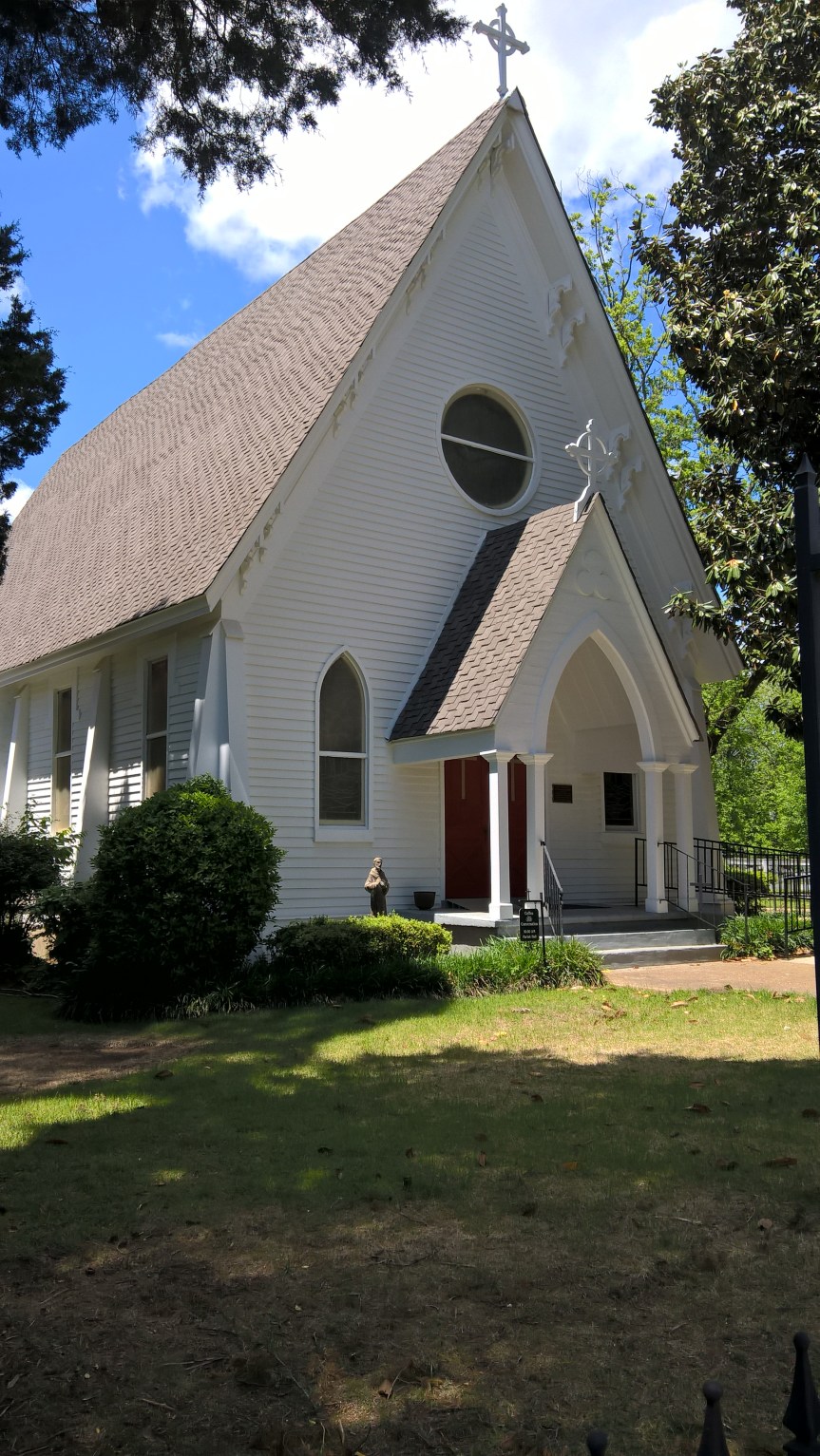
At the north end of Main, Holy Innocent’s Episcopal Church sat white wood and A framed, with two gold crosses emboldening its red, cathedral doors beneath a porte cochere beside an oak tree.

WP_20170501_12_59_16_Pro

WP_20170501_13_01_25_Pro 1


Inside, red-carpeted oak floors, pine pews, and five cathedral stain glass windows graced either side, one memorializing a Taylor named Robert, who died in 1916.

WP_20170501_13_02_16_Pro

Above the door on the way out, Jesus stood in a field beside three lambs, holding a staff in his hand and looking out from a pastoral mural.
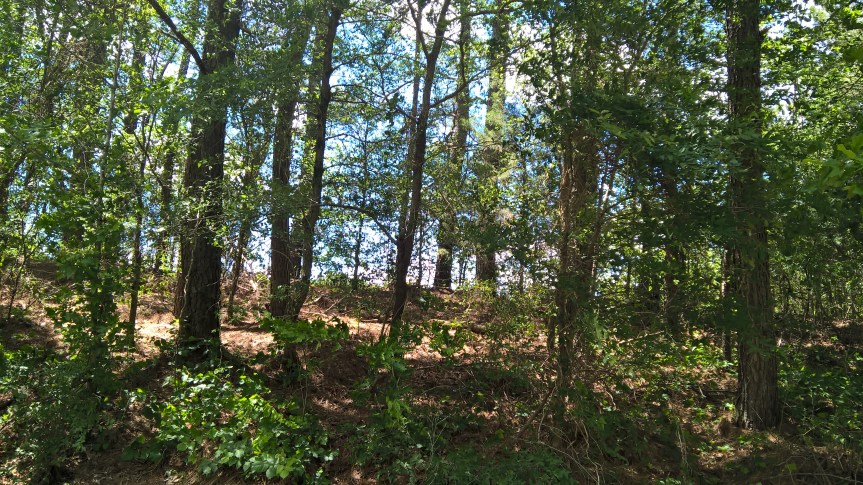
Out on the street, I photographed an elegant willow tree rustling in the breeze as we made our way to Taylor’s four-door, Ford F-150. In ten minutes, we were on the outskirts of Como proper, where a chiaroscuro of forest primeval stretched as far as the eye could see on either side of the mostly unmarked roads, winding through what seemed like borrowed time. Canopies of hickory, cherry, oak, and sweet gum covered Johnson grass, honeysuckle, Bermuda grass, crabgrass, and sage.
WP_20170501_13_31_03_Pro

As we careened through the countryside, there wasn’t a car in sight, nor was I given a heads up when my guide turned up a gravel road that rambled on two hundred acres until a house came into view.


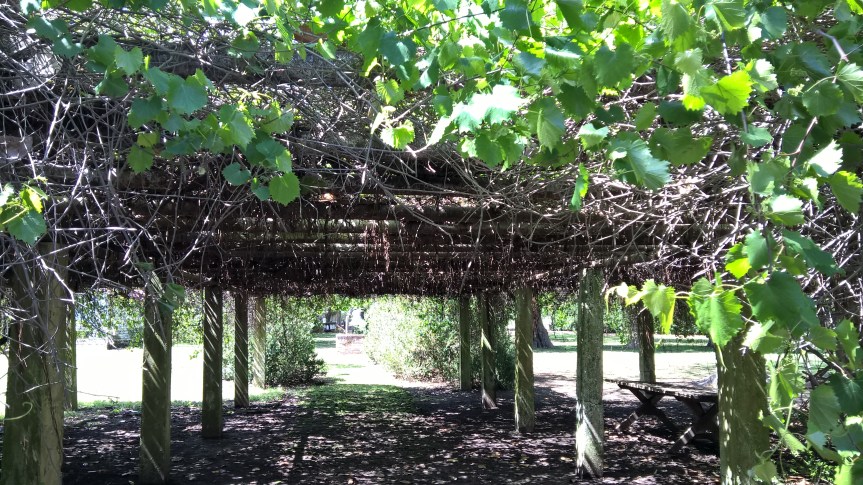
The house was massive. It rose up to a pitched red roof on a patch of groomed velvet lawn. Its four columns bracketed a seven-foot front door, but we sailed past and parked behind it. Like a ghost from the ether, a tall man approached and addressed my guide heartily as Mr. Sledge, though we were not expected. Within minutes, the ground’s caretaker of thirty- nine years invited us inside, and I was given a tour of one of Como’s grand houses. As the house is a private residence, primarily used as a weekend getaway, out of respect for its owners, I will refrain from posting interior photographs and let you use your imagination. I will share that we entered through the kitchen, whose entrance was heralded by a series of weathered brick steps beneath a heavy muscadine trellis, positioned just so, to abate the sweltering summer heat.
WP_20170501_14_50_57_Pro

I’ll describe the interior of the house for you: Every spacious room downstairs had a crown molded ceiling towering at nine feet. Beneath area rugs, the wood floors flowed through the dining and living rooms, straight to a screened porch furnished with leather club chairs beneath a whirring ceiling fan. In the catacomb of the entrance hall, two bedrooms opened at the left, adjoined by a dressing area and attendant ivory-tiled bathroom. In the center, a wooden staircase rose to a second-floor landing with a view of the grounds rambling to a cabin by a pond. Upstairs, three more bedrooms, one with a white mantled fireplace and two matelassé covered beds. All the bedrooms were resplendent with antiques. Some had four-poster beds, tall chests of drawers, and porcelain in nooks besides built-in shelving. Mounted on walls were portraits painted in oil: austere, looming family member facsimiles with eyes that followed you everywhere. It was not a glittering, ostentatious plantation house, boasting in pomposity, rather, it was a shop-worn, elegant house, pitched to a practicality that gave it a warm, sophisticated edge in a way that lived and breathed history and spoke of safe haven.
And it’s fascinating what you learn when being given a tour of a historic house in Mississippi. I learned there’s a problem in the area with ladybug infestation, that they swarm the window screens by the millions and lay eggs to the point where the light can’t get through, and that an Eastern box turtle crossing the road is as good a portent as any of coming rain.
Sledge Taylor drove me to another of Como’s magnificent houses, which had hundreds of rows of pecan trees at the front of the property.  I saw his family’s cotton gin, and fields where they’ve grown cotton and rice and soybean for as long as anyone remembers.

The sky above Como is endless in otherworldly hues I’ve never seen the likes of anywhere else. Hazy blue, yellow and cream, like sunlight filtering through gauze, and the air so soft in the first week of May, it enveloped the surroundings in a dreamscape.

I did all I could to describe Como, Mississippi during the writing of Little Tea. Como has an inexplicable feel to it well worth writing about.  It sings of history and belonging. It’s a gem of a town in the loess country of Panola County;  population of 1,245, the likes of which spawn a man such as Sledge Taylor: a proud steward of land passed down through generations, the kind of man so proud of his Mississippi roots, he takes the time to show them off to a writer.
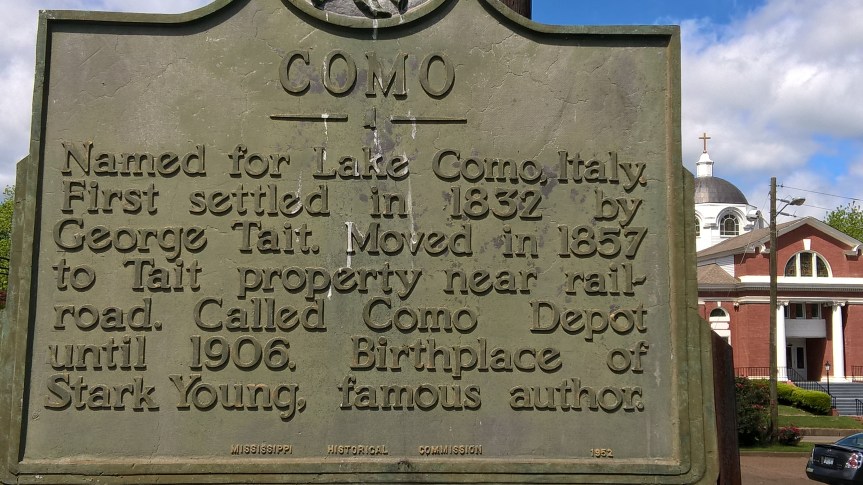
 

WP_20170501_11_18_17_Pro

83818413_762502274271129_5696037369426214912_n


https://www.clairefullerton.com

Postcards and Authors

Every so often, I come across a website that champions authors with glittering flair. Postcards and Authors is such a place and Anita, the woman behind the magic, is wonderful! She has a wide reputation with good reason for championing authors. What an author does is send in a postcard with an image that pertains either to where they live or telling of their book. Authors from all over the globe enter and Anita showcases their postcard and goes to wonderful lengths to feature their work.

I wanted to share this site and information with my fellow authors. Take a look at the links below that send you to the site and direct you on how to submit!

I hope to see many on Postcards and Authors!

Here is my feature that was posted yesterday!
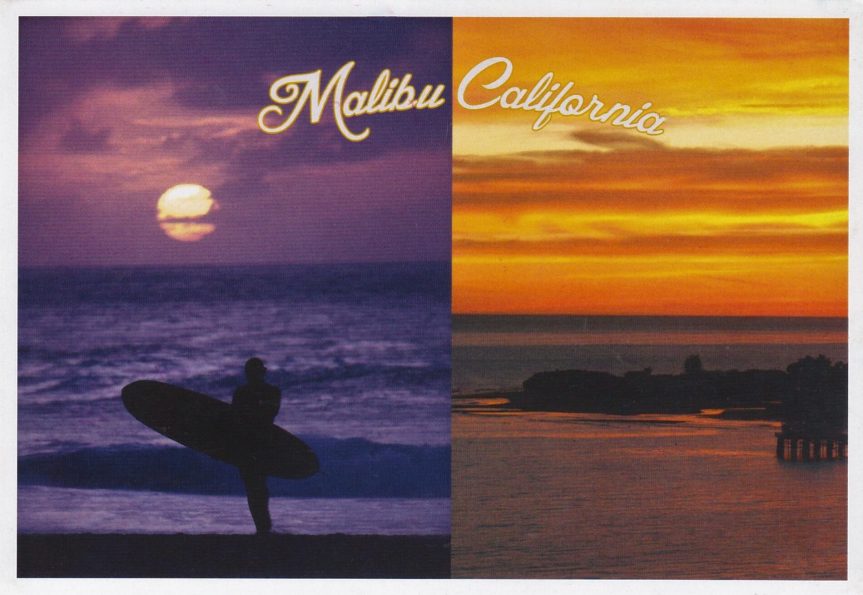
Claire Fullerton was a recent guest on LA Talk Radio – The Writer’s Block to discuss her new novel, Little Tea. Midway the conversation, her host asked, “When you write, who controls the book, you or your characters?” The presumed answer was the characters. However, Claire, whose previous career was on-air in music radio, answered, “I confess I must be a control freak because I think I’m runnin’ the show. Nobody’s taking over my book, including who I’m writin’ about.”
Claire Fullerton has always considered herself a southerner, though born in Wayzata, Minnesota, and currently living in Malibu, California. When she was ten, her family moved to Memphis, Tennessee. It was where Claire innately watched people and absorbed the music of prolific musicians who flocked to experience the city’s aura and recording opportunities. All the while, Claire was sharpening her writer’s eye. She considers Memphis the last romantic culture on earth.
However, like much of the country, Memphis was experiencing social and cultural changes, and Claire Fullerton was witnessing and taking it in, including the fight for racial equality. It would be some of those memories that she injected into Little Tea.
The story begins with a girls’ getaway at a lake house in Heber Springs, Arkansas. Celia, Renny, and Ava, friends since childhood, meet to support Ava, who is having marital problems; however, before the three-day stay is over, Celia will be confronted with demons from her past.
When the time shifts in the novel, there is Little Tea (Thelonia), the daughter in a black family. Her mother is a maid, her father, a foreman, both for the white Wakefield family’s Como, Mississippi cotton farm in the 1980s – Celia’s family. The girls are ten-year-old friends who play together and are often joined by Hayward, Celia’s brother. Innocent and naive, this works well for the three of them, but they grow up… and people have opinions. The past and present come together with Little Tea at the core.
Reviews for Little Tea give an enticing glimpse into the story. Readers are awed by Claire Fullerton’s ability to interpret and depict southern characters in settings that epitomize the beauty of the terrain. Her previous multi-award winning novel, Mourning Dove, is also about a southern family set in Memphis, Tennessee. Excerpts and reviews for all of Claire’s books are on her website.
Visit Claire’s social media and sign up for her newsletter. (Scroll down for the links.) You’ll not only see great pictures of her writer’s life, but her three big German Shepard dogs, too!
Claire, Malibu seems a nice place to land after living in other cities in the U.S and abroad. Like you, I believe I can have an extra dose of inspiration with a daily ocean view! Maybe I’ll get to Malibu on my next California trip (being optimistic). It’s been a looong time since I’ve been to The Golden State. Thank you for the postcard. 🙂
~Anita~

How to Participate and Submit: https://postcardsandauthors.com/participate/

And here is the website! https://postcardsandauthors.com/