Touring Como, Mississippi

I had cause to go to Como, Mississippi when I researched the area during the writing of my novel, Little Tea. A friend of mine knew I was writing a book set in Como and had the inspired idea to introduce me via e-mail to a Como local named Sledge Taylor. “Trust me on this,” she’d said. “Sledge Taylor will show you the lay of the land.”
I set a date with Sledge Taylor and flew from California to Memphis, where I stayed a few days then drove 45 miles south to Como, anticipating a full afternoon of being a tourist.

What follows is my attempt at sharing that memorable trip to Como, Mississippi, in hopes it will give you a taste of what can be found in a small gem of a town tucked away in the Deep South.
Driving from Memphis to Como, Mississippi on I-55 South, the flat Delta land is weighty. In the greening of May, both sides of the highway teem with flourishing oak, elm, hickory, and pine set among ochre forest litter so dappled and dense, it haunts with a history, its watchful eyes on the back of your neck.

WP_20170502_07_26_39_Pro


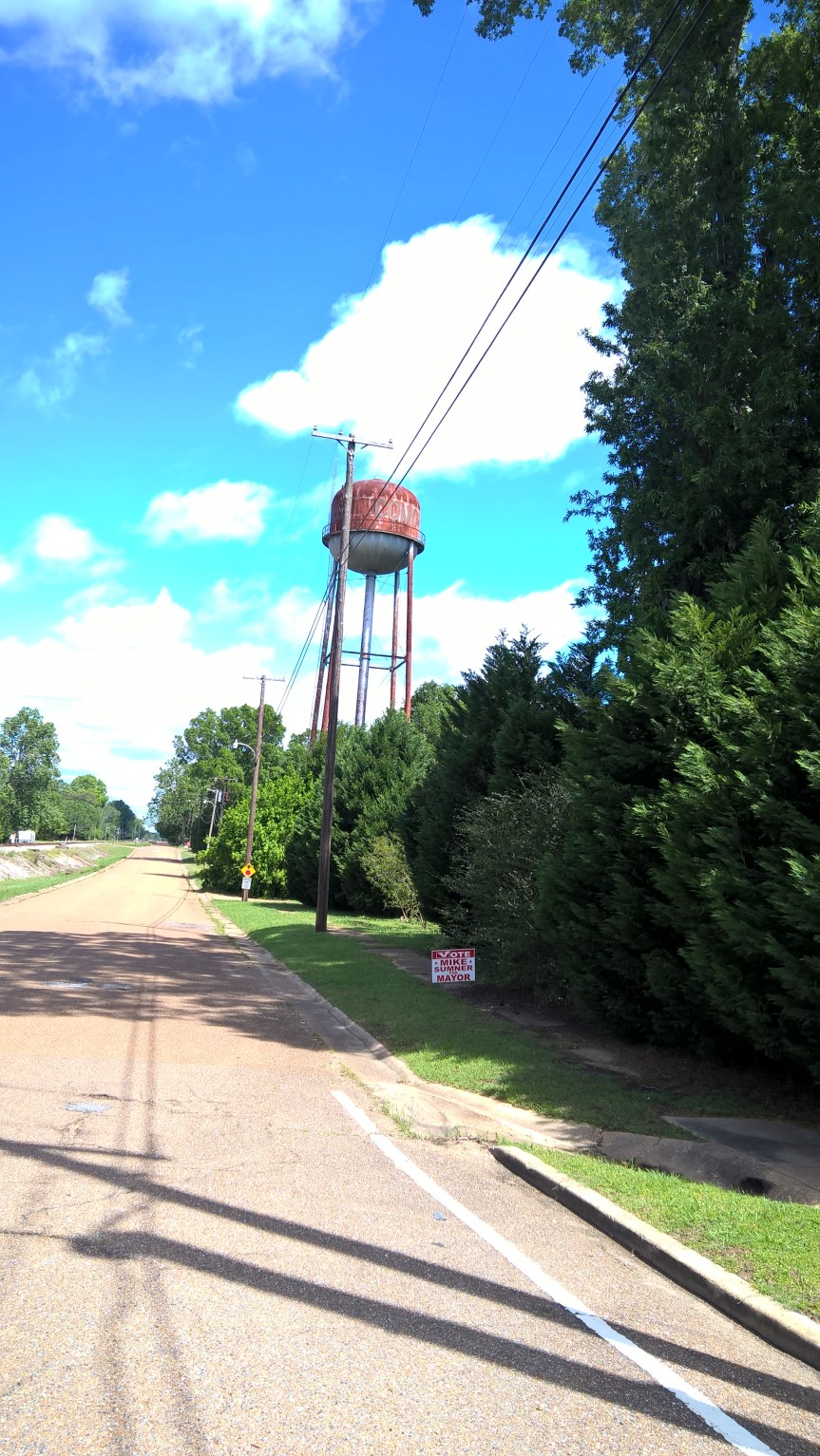
Turning off I-55 to Oak Avenue into Como, the first thing I saw was a rust-colored water tower on Sycamore Street,
WP_20170501_11_17_09_Pro

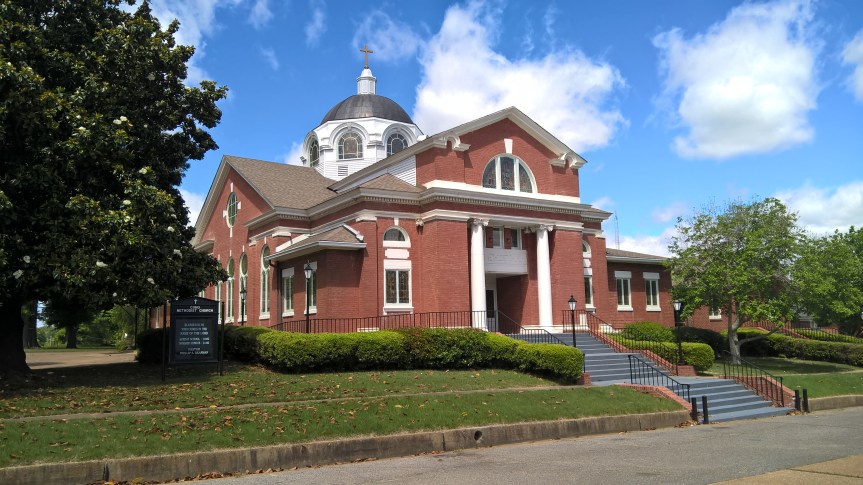
across the road from red-brick and multi-windowed Como Methodist Church, which looms on the corner of Oak and Main, its black signage announcing in white block letters, “Blessed Is He Who Comes in the Name of the Lord.”
WP_20170501_11_21_03_Pro

Down on Main Street, a row of one-off businesses sit like ducks in a row facing the railroad tracks.
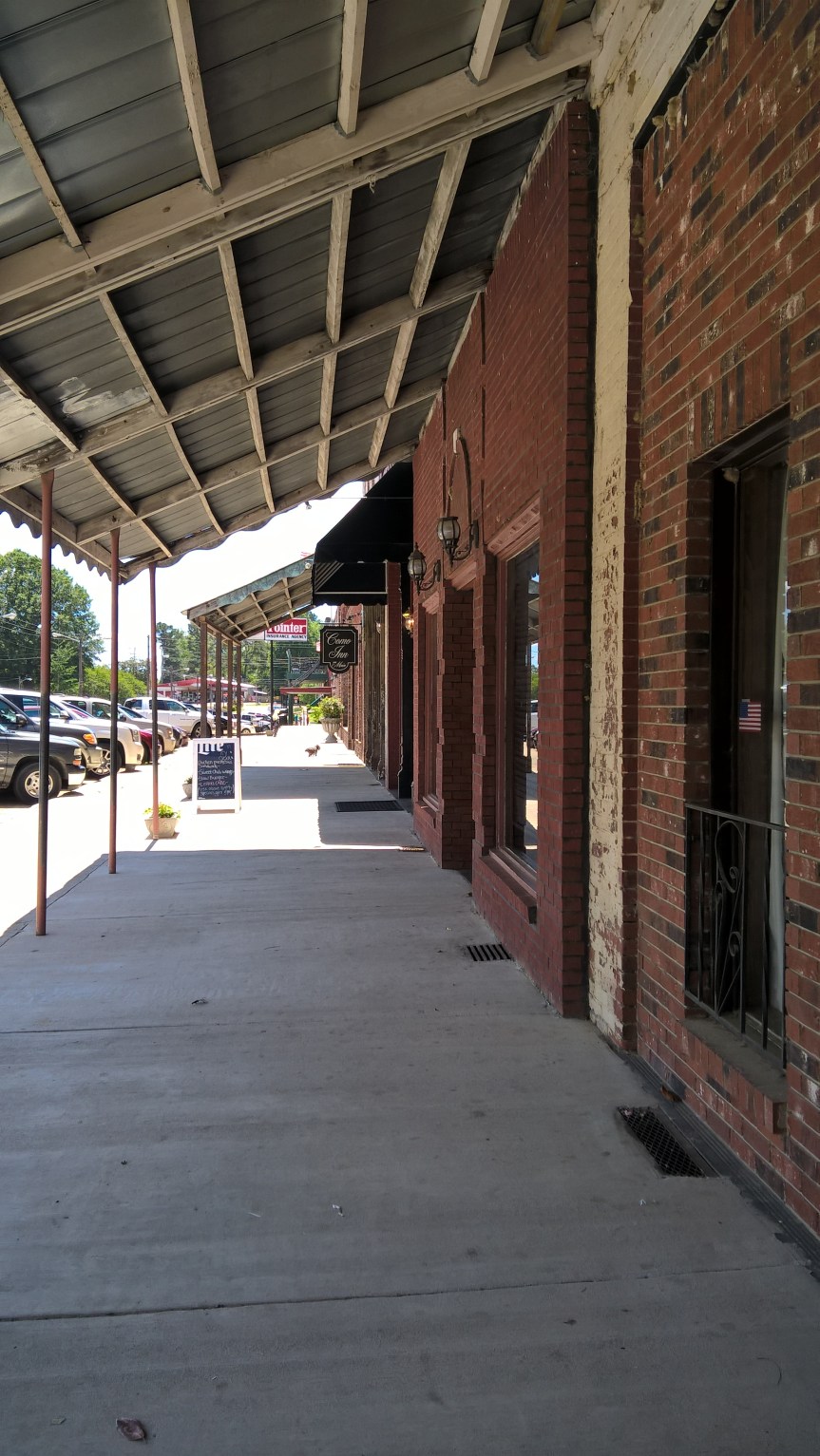
WP_20170501_12_37_13_Pro

On the berm before the tracks, two community storm shelters lie side-by-side, their weathered metal doors to the underground ensconced like coffins with handrails no bigger than a coat hanger.
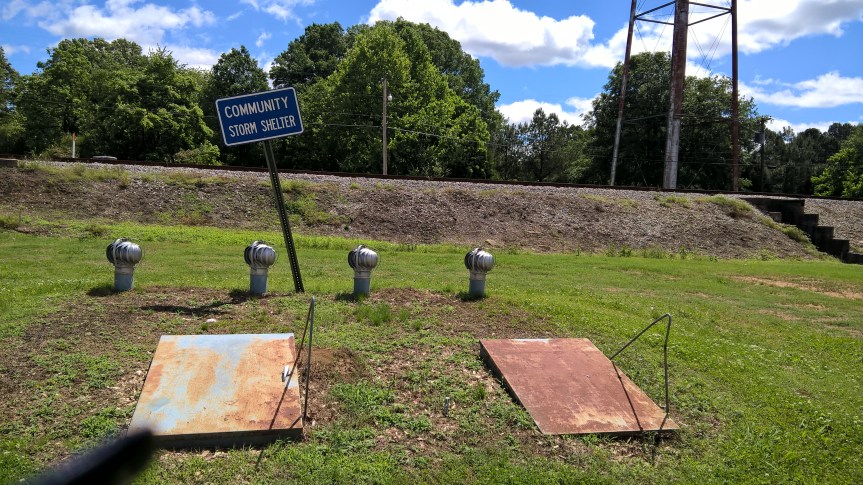
WP_20170501_11_23_18_Pro
I met Sledge Taylor at his office, in a brick building his family has owned since 1880. It was tucked down a hallway behind a glass door announcing “Office, W.S. Taylor, Jr. Farms,” topped with adhesive decals telling of his life: Delta Wildlife, Farm Families of Mississippi, University of Mississippi, and the National Cotton Council.

WP_20170501_12_37_09_Pro


In his office, tiers upon racks upon bookshelves like a shrine to Como’s antiquity. There were plaque awards from cotton associations, faded photographs of men in bowties smiling before stacks of cotton bales,
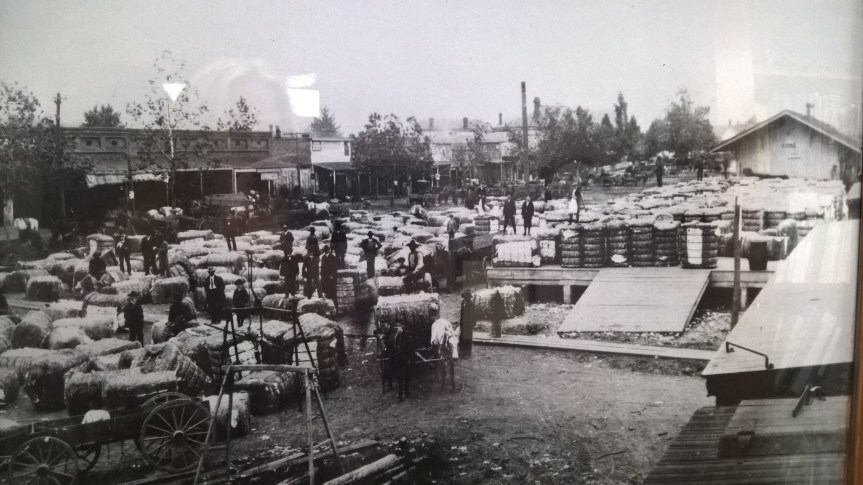
WP_20170501_12_54_12_Pro

and multiple images of his family’s plantation taken at different stages of prosperity.
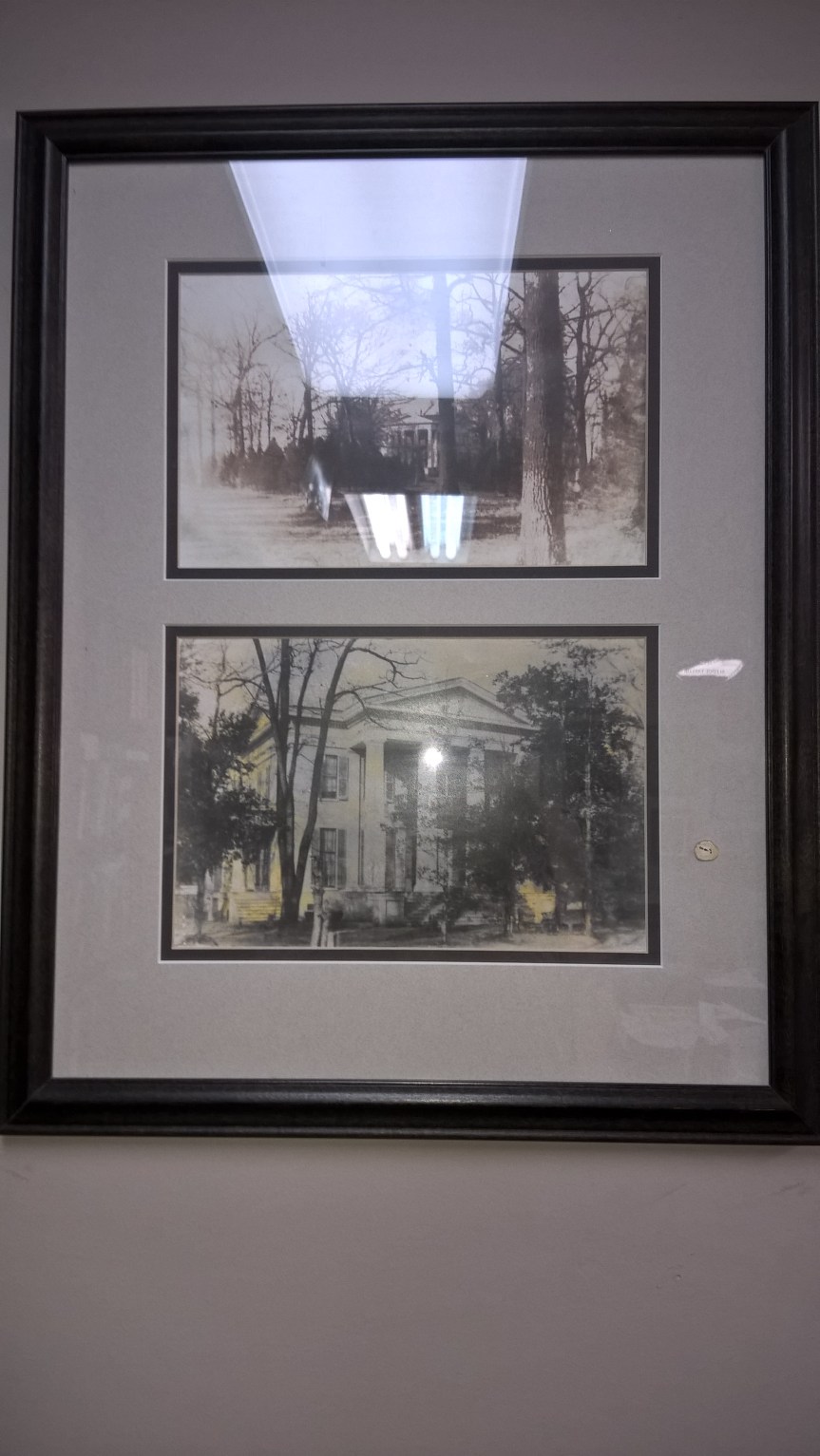
WP_20170501_11_37_50_Pro

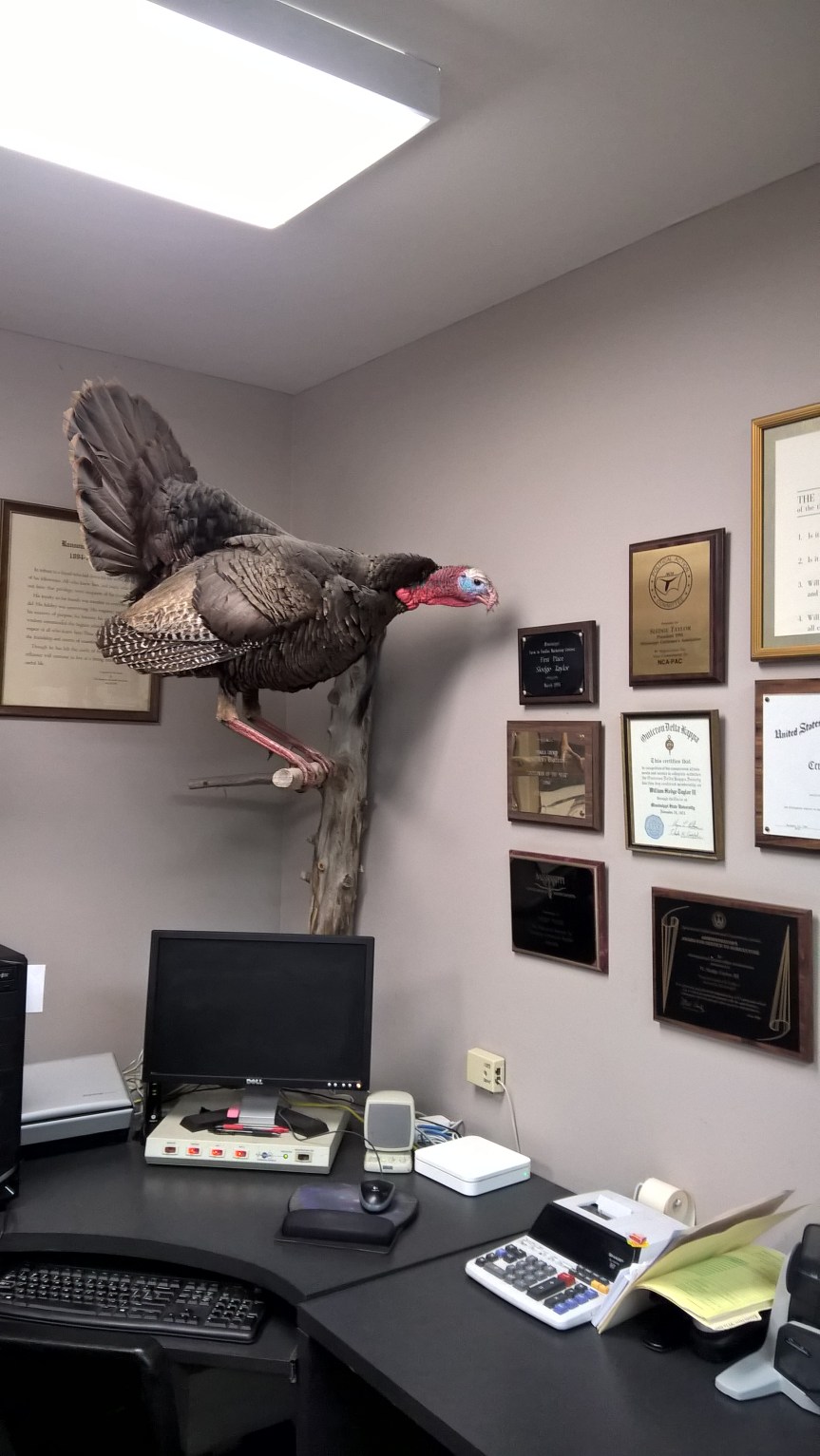
In the corner, a full-size taxidermy turkey perched in profile, its red head and tail feathers up, glowering above a computer.
WP_20170501_11_29_49_Pro

It was a thinking man’s racket of an arrangement, a ramshackle office on beaten wood floors so fascinating at every swivel, I wanted to stay and disregard why I was there.

WP_20170501_11_32_30_Pro
Sledge Taylor didn’t seem the agrarian type. Were you to pass him on the street, the last thing you’d think is there goes a farmer. A scholar or historian would be your first guess, and you wouldn’t be far off because today’s version of a Como farmer necessitates artist, historian, and scientist rolled into one. Spending time with this erudite man was an education in small-town history and what it means to be a gentleman farmer.
After a gravy-smothered plate lunch at The Windy City Grill,

WP_20170501_12_03_05_Pro

Taylor I took to the sidewalk of Main Street, where I received a tutorial in the history of every building standing shot-gun style on the historic street. Taylor currently owns the building that was once the town’s general store.


In its interior, everything was frozen in time. A mule harness dangled from a wall peg, a massive dust-covered, slatted accountant’s desk stood high with a matching wood stool, rows of curio shelving housed pitchers and planters and sets of china,

WP_20170501_12_39_56_Pro

and in one of the walls, a man named S.L. Sturdivant had thrown an ice pick at the 1968 Como Parts calendar, and it remained embedded because it made a good story and nobody thought to remove it.

WP_20170501_12_40_04_Pro
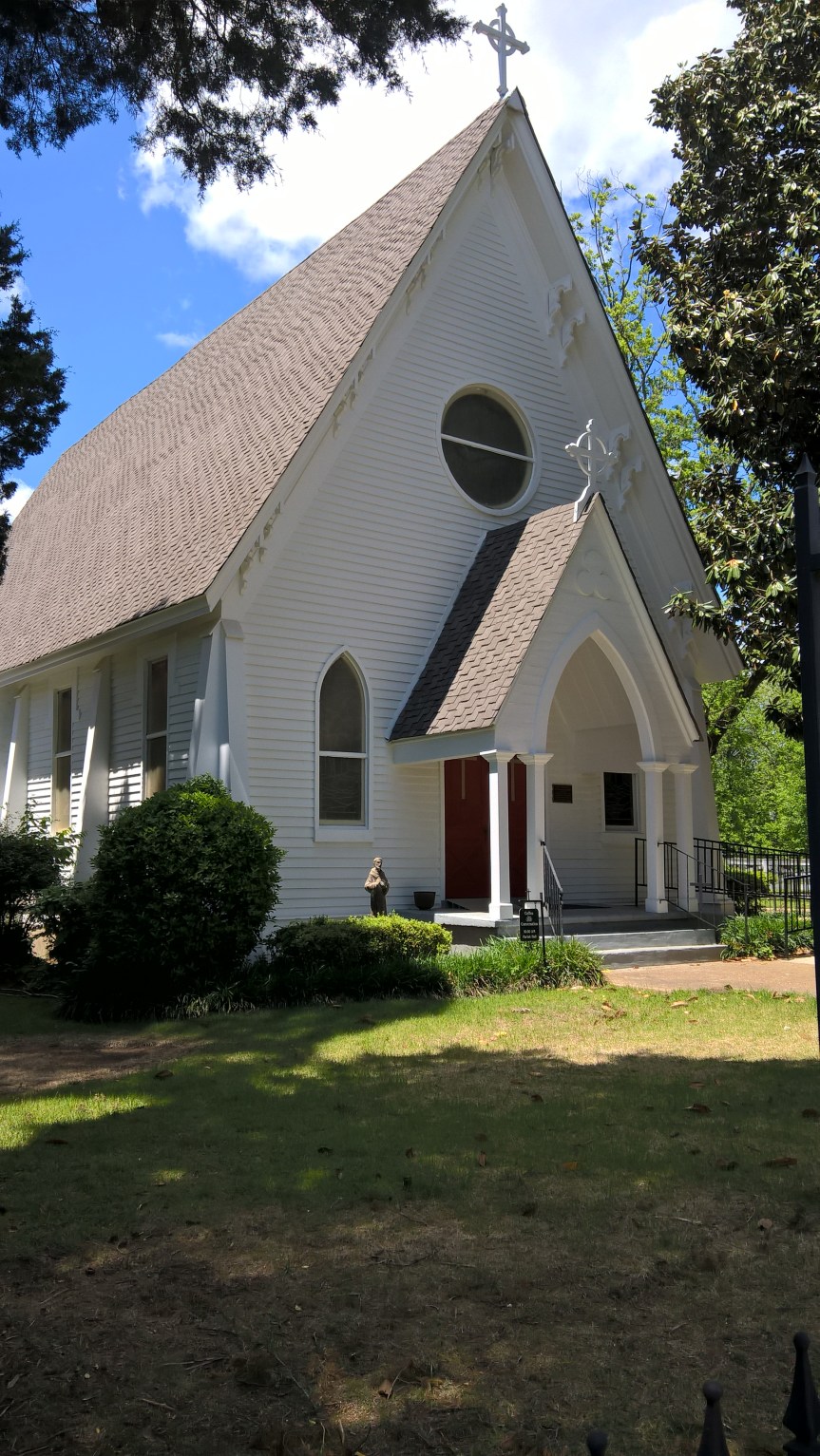
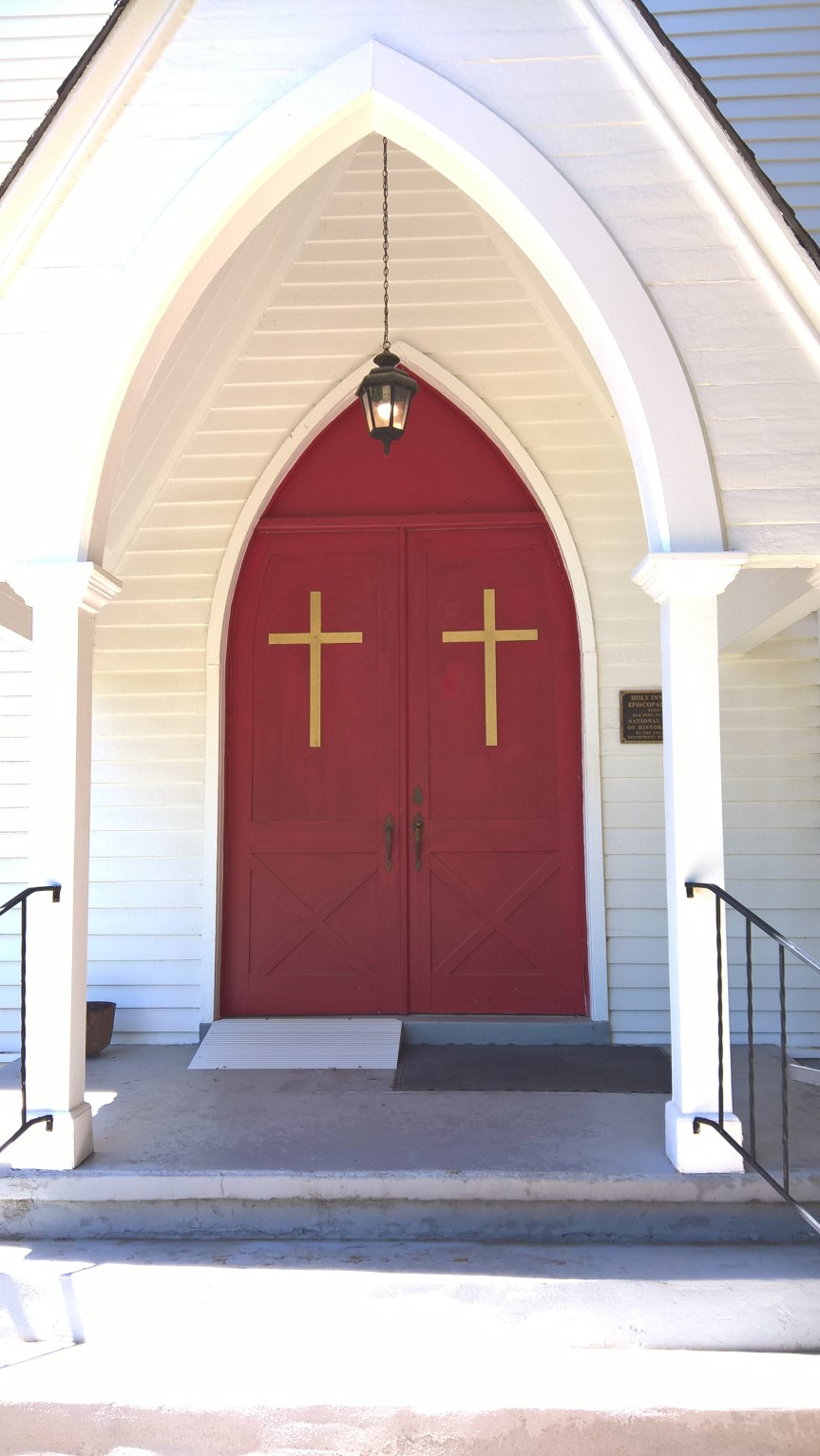
At the north end of Main, Holy Innocent’s Episcopal Church sat white wood and A framed, with two gold crosses emboldening its red, cathedral doors beneath a porte cochere beside an oak tree.
WP_20170501_12_59_16_Pro

WP_20170501_13_01_25_Pro 1


Inside, red-carpeted oak floors, pine pews, and five cathedral stain glass windows graced either side, one memorializing a Taylor named Robert, who died in 1916.

WP_20170501_13_02_16_Pro

Above the door on the way out, Jesus stood in a field beside three lambs, holding a staff in his hand and looking out from a pastoral mural.
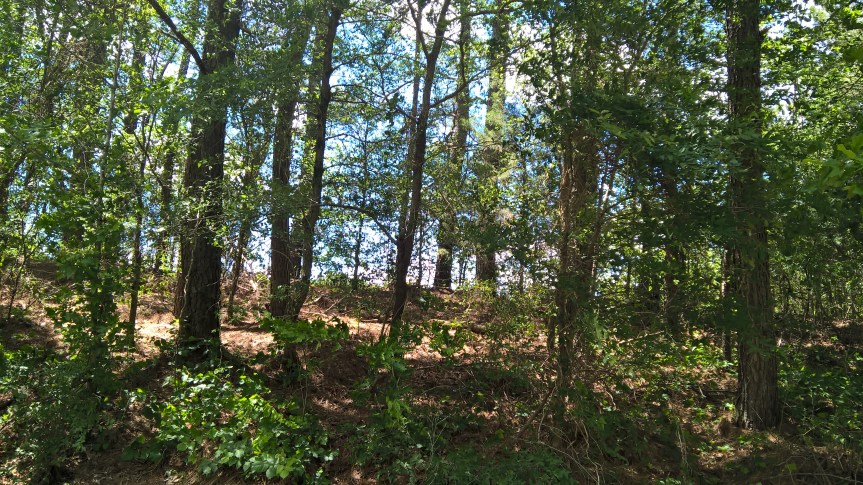
Out on the street, I photographed an elegant willow tree rustling in the breeze as we made our way to Taylor’s four-door, Ford F-150. In ten minutes, we were on the outskirts of Como proper, where a chiaroscuro of forest primeval stretched as far as the eye could see on either side of the mostly unmarked roads, winding through what seemed like borrowed time. Canopies of hickory, cherry, oak, and sweet gum covered Johnson grass, honeysuckle, Bermuda grass, crabgrass, and sage.
WP_20170501_13_31_03_Pro

As we careened through the countryside, there wasn’t a car in sight, nor was I given a heads up when my guide turned up a gravel road that rambled on two hundred acres until a house came into view.


The house was massive. It rose up to a pitched red roof on a patch of groomed velvet lawn. Its four columns bracketed a seven-foot front door, but we sailed past and parked behind it. Like a ghost from the ether, a tall man approached and addressed my guide heartily as Mr. Sledge, though we were not expected. Within minutes, the ground’s caretaker of thirty- nine years invited us inside, and I was given a tour of one of Como’s grand houses. As the house is a private residence, primarily used as a weekend getaway, out of respect for its owners, I will refrain from posting interior photographs and let you use your imagination. I will share that we entered through the kitchen, whose entrance was heralded by a series of weathered brick steps beneath a heavy muscadine trellis, positioned just so, to abate the sweltering summer heat.
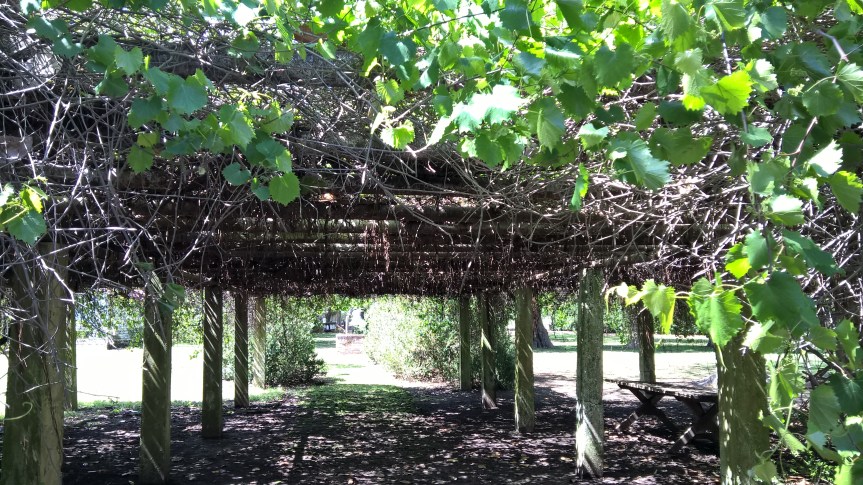
WP_20170501_14_50_57_Pro

I’ll describe the interior of the house for you: Every spacious room downstairs had a crown molded ceiling towering at nine feet. Beneath area rugs, the wood floors flowed through the dining and living rooms, straight to a screened porch furnished with leather club chairs beneath a whirring ceiling fan. In the catacomb of the entrance hall, two bedrooms opened at the left, adjoined by a dressing area and attendant ivory-tiled bathroom. In the center, a wooden staircase rose to a second-floor landing with a view of the grounds rambling to a cabin by a pond. Upstairs, three more bedrooms, one with a white mantled fireplace and two matelassé covered beds. All the bedrooms were resplendent with antiques. Some had four-poster beds, tall chests of drawers, and porcelain in nooks besides built-in shelving. Mounted on walls were portraits painted in oil: austere, looming family member facsimiles with eyes that followed you everywhere. It was not a glittering, ostentatious plantation house, boasting in pomposity, rather, it was a shop-worn, elegant house, pitched to a practicality that gave it a warm, sophisticated edge in a way that lived and breathed history and spoke of safe haven.
And it’s fascinating what you learn when being given a tour of a historic house in Mississippi. I learned there’s a problem in the area with ladybug infestation, that they swarm the window screens by the millions and lay eggs to the point where the light can’t get through, and that an Eastern box turtle crossing the road is as good a portent as any of coming rain.
Sledge Taylor drove me to another of Como’s magnificent houses, which had hundreds of rows of pecan trees at the front of the property.  I saw his family’s cotton gin, and fields where they’ve grown cotton and rice and soybean for as long as anyone remembers.

The sky above Como is endless in otherworldly hues I’ve never seen the likes of anywhere else. Hazy blue, yellow and cream, like sunlight filtering through gauze, and the air so soft in the first week of May, it enveloped the surroundings in a dreamscape.

I did all I could to describe Como, Mississippi during the writing of Little Tea. Como has an inexplicable feel to it well worth writing about.  It sings of history and belonging. It’s a gem of a town in the loess country of Panola County;  population of 1,245, the likes of which spawn a man such as Sledge Taylor: a proud steward of land passed down through generations, the kind of man so proud of his Mississippi roots, he takes the time to show them off to a writer.
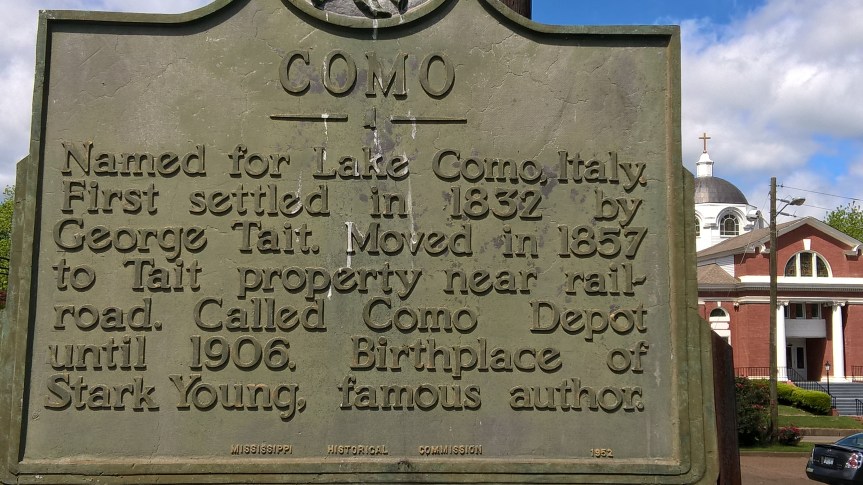
 

WP_20170501_11_18_17_Pro

83818413_762502274271129_5696037369426214912_n


https://www.clairefullerton.com

Postcards and Authors

Every so often, I come across a website that champions authors with glittering flair. Postcards and Authors is such a place and Anita, the woman behind the magic, is wonderful! She has a wide reputation with good reason for championing authors. What an author does is send in a postcard with an image that pertains either to where they live or telling of their book. Authors from all over the globe enter and Anita showcases their postcard and goes to wonderful lengths to feature their work.

I wanted to share this site and information with my fellow authors. Take a look at the links below that send you to the site and direct you on how to submit!

I hope to see many on Postcards and Authors!

Here is my feature that was posted yesterday!
Claire Fullerton was a recent guest on LA Talk Radio – The Writer’s Block to discuss her new novel, Little Tea. Midway the conversation, her host asked, “When you write, who controls the book, you or your characters?” The presumed answer was the characters. However, Claire, whose previous career was on-air in music radio, answered, “I confess I must be a control freak because I think I’m runnin’ the show. Nobody’s taking over my book, including who I’m writin’ about.”
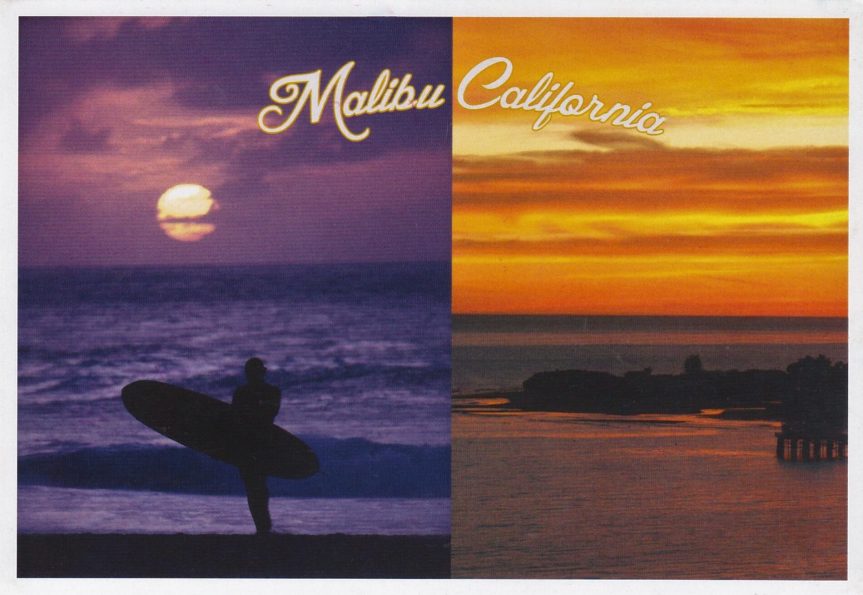
Claire Fullerton has always considered herself a southerner, though born in Wayzata, Minnesota, and currently living in Malibu, California. When she was ten, her family moved to Memphis, Tennessee. It was where Claire innately watched people and absorbed the music of prolific musicians who flocked to experience the city’s aura and recording opportunities. All the while, Claire was sharpening her writer’s eye. She considers Memphis the last romantic culture on earth.
However, like much of the country, Memphis was experiencing social and cultural changes, and Claire Fullerton was witnessing and taking it in, including the fight for racial equality. It would be some of those memories that she injected into Little Tea.
The story begins with a girls’ getaway at a lake house in Heber Springs, Arkansas. Celia, Renny, and Ava, friends since childhood, meet to support Ava, who is having marital problems; however, before the three-day stay is over, Celia will be confronted with demons from her past.
When the time shifts in the novel, there is Little Tea (Thelonia), the daughter in a black family. Her mother is a maid, her father, a foreman, both for the white Wakefield family’s Como, Mississippi cotton farm in the 1980s – Celia’s family. The girls are ten-year-old friends who play together and are often joined by Hayward, Celia’s brother. Innocent and naive, this works well for the three of them, but they grow up… and people have opinions. The past and present come together with Little Tea at the core.
Reviews for Little Tea give an enticing glimpse into the story. Readers are awed by Claire Fullerton’s ability to interpret and depict southern characters in settings that epitomize the beauty of the terrain. Her previous multi-award winning novel, Mourning Dove, is also about a southern family set in Memphis, Tennessee. Excerpts and reviews for all of Claire’s books are on her website.
Visit Claire’s social media and sign up for her newsletter. (Scroll down for the links.) You’ll not only see great pictures of her writer’s life, but her three big German Shepard dogs, too!
Claire, Malibu seems a nice place to land after living in other cities in the U.S and abroad. Like you, I believe I can have an extra dose of inspiration with a daily ocean view! Maybe I’ll get to Malibu on my next California trip (being optimistic). It’s been a looong time since I’ve been to The Golden State. Thank you for the postcard. 🙂
~Anita~

How to Participate and Submit: https://postcardsandauthors.com/participate/

And here is the website! https://postcardsandauthors.com/


The Spirit Behind Little Tea

I’m forever pondering the magic of life-long female friendships, the kind formed in childhood, or perhaps early high school that, for whatever reason, stay. On one hand, when we’re young, we’re in a state of becoming, but on the other, our early years are the set-in-stone template of who we actually are. We grow from there. We build our lives. We add and subtract what is and is not working. We shape and adjust and mold our lives as best we see fit but, in my mind, we never fundamentally change our core essence. We can move far from home, forge brilliant careers, marry, have children, divorce, witness sorrow and tragedy, and death, and it shapes our experience, perhaps informs our wary attitude, but the vagaries of life don’t re-define us. In a matter of speaking what happens in our lives refines us.
At the beginning of Little Tea, I said it this way: “There’s a side to the unions made in high school that has perpetual resonance, a side that remains in arrested development that will never let you forget who you essentially are.”
Our friends anchor us. They keep us on center page. They’re the ones who know our history, the characters in our dramas of cause and effect, and they never forget. This keeps us honest. Our friends are a touchpoint to see us through the ages.
I went into the writing of Little Tea wanting to make this point through the power of story. I began with three women friends who reunite after many years at Greer’s Ferry Lake in Heber Springs, Arkansas.

WP_20150718_09_44_21_Pro

I set Little Tea in Heber Springs because of its close proximity to Memphis, where the characters, Renny, Ava, and Celia grew up. They each live in another location and had to travel to the lake, and the thing I liked about setting the story near water is the idea of fluidity and fluctuating tides. Such is life, and the element of water is alive, ever-changing, and emotional. Sometimes we sit near water and reflect, other times we dive right in it. For the three childhood friends in Little Tea, Heber Springs Lake is a neutral ground.
Little Tea is the story of three women friends who reconvene because one of them is in trouble. If you take one problem and put it in the hands of three different women, you’ll receive three different solutions, each based according to who the woman is—her background, her history, her perception of the world. Great wisdom and sage advice are borne from the heart and souls of women, and it is this I wanted to capture in the story.
I like the idea of a group of women friends as an insular, secret society. This subject was the entire impetus behind my writing Little Tea, and I hope readers relate to it in the spirit I intended, which is to say there is great value in friendship.

Let’s vow to never take it for granted.

83818413_762502274271129_5696037369426214912_n

https://www.clairefullerton.com

Where I Find Inspiration

May 1, 2020 | By Claire Fullerton
I was recently asked the following question in an interview: “As a writer, where do you go to find inspiration?” The interviewer cited the habit of Charles Dickens, who took to the streets of London every day in a five to six-mile stroll while looking for source material. I love the evocative image of this world-renowned writer cruising through London, his eyes darting as he tallied impressions, experiencing the common place of that city, taking mental notes.
Because I wanted to answer the question to the best of my ability, I visualized myself in Dickens’ place and pondered what he was really doing. I realized it wasn’t so much where he was as it was that he had his eyes open. The way I considered it, Dickens allowed himself to be influenced, and this is key for writers. The most seemingly inconsequential things can affect a writer, and by this I mean strike an emotional chord. That it typically happens in the blink of an eye doesn’t make it any less meaningful.
In the essay, Honeymoon: The Romance of Umbria, by Pat Conroy, which appears in The Pat Conroy Cookbook, Conroy writes of catching himself writing in his head instead of living in the moment as he stood inspired by an Umbrian sunset. With regard to writers, I believe this is a common habit. It’s a particular way of being in the world and at the heart of it is the desire to communicate coupled with love of language.
There might be shades of the longing to be understood, but I think it’s more a labor of love to help readers understand the world. After all, a writer’s task is to articulate, to put their impressions into words along with what they think and feel through the power of story.
I’ve heard it said that artists view the world through with a peculiar, particular lens.
They have the ability to engage with the world from the outside looking in, to be in it but not of it, stand apart in the middle of a crowd and act as witness. To many artists, this ability is a calling, be it acting, painting, dancing, or writing. In my opinion, writers are the archivists of the world, the interpreters of life who record events and impressions and are driven by the need to share their gift.
And yes, it all starts with finding inspiration, yet inspiration doesn’t so much reside without as it does within. The trick is to keep wide-eyed and aware as one goes about their days, to grab hold of inspiration’s cord once it’s struck and hang on until it resonates. Inspiration doesn’t have so much to do with location as it does the ability to access what’s within once it’s triggered. When it comes to writing, inspiration is a prompting that travels from the spirit of a writer to a blank page and results in a painstaking commitment to work built on hope and blind faith that it’s worth sharing.
In answer to that interviewer’s question of where I go to find inspiration, I tried my best to articulate my experience. I said rather than cite a locale, I can share what I do when inspired, and it has everything to do with discipline. I can be anywhere doing anything when inspiration comes from sight, sound, thought, mood or feeling. To me it’s all about listening to the voice within. The discipline starts with finding a pen

For Release news of my novel, Little Tea, the rest of this post continues here: http://booksbywomen.org/where-i-find-inspiration/

83818413_762502274271129_5696037369426214912_n

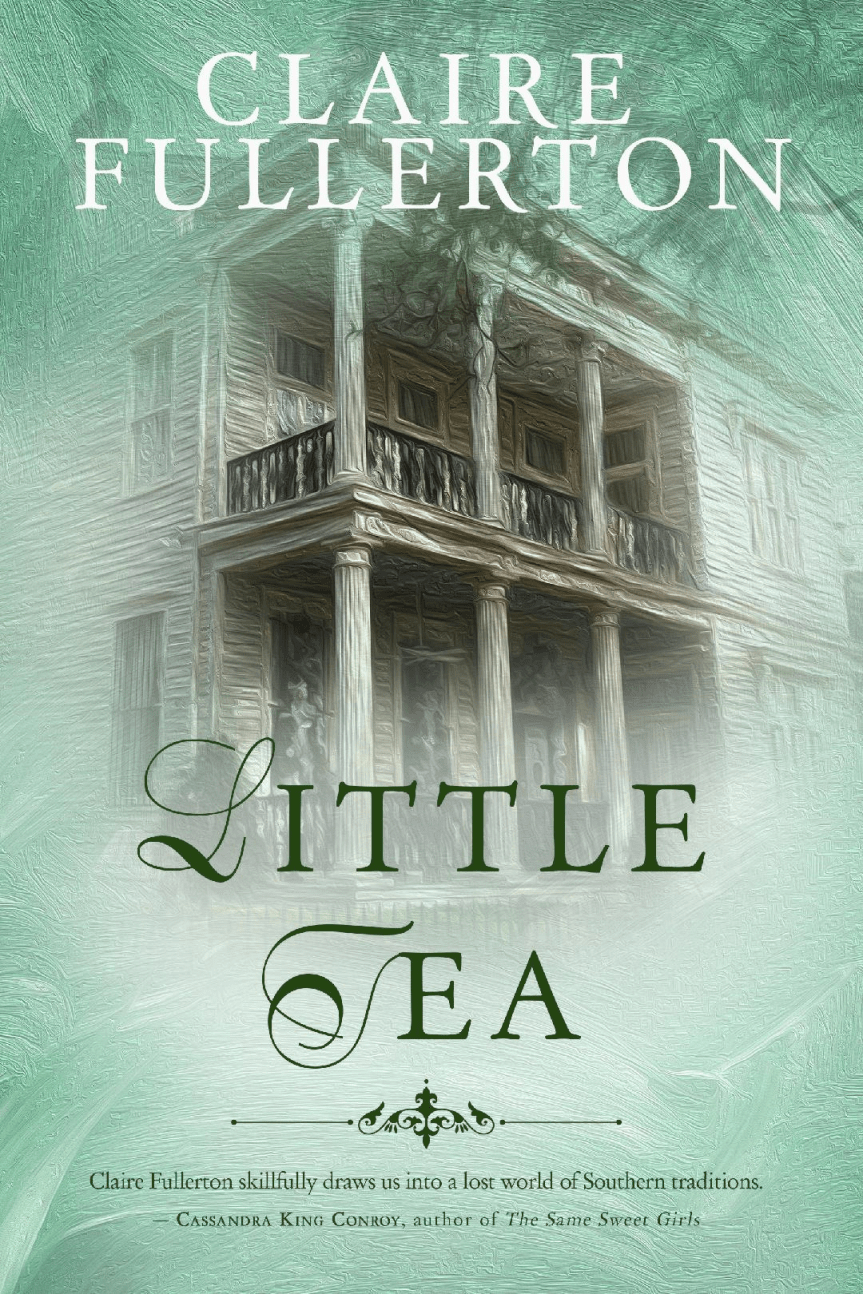
Little Tea’s Universal Link:  https://books2read.com/u/3nvz0R
Claire Fullerton hails from Memphis, TN. and now lives in Malibu, CA. with her husband and 3 German shepherds. She is the author of Mourning Dove, a coming of age, Southern family saga set in 1970’s Memphis. Mourning Dove is a five-time award winner, including the Literary Classics Words on Wings for Book of the Year, and the Ippy Award silver medal in regional fiction ( Southeast.) Claire is also the author of Dancing to an Irish Reel, a Kindle Book Review and Readers’ Favorite award winner that is set on the west coast of Ireland, where she once lived. Claire’s first novel is a paranormal mystery set in two time periods titled, A Portal in Time, set in Carmel-by-the-Sea, California. She is a contributor to the book, A Southern Season with her novella, Through an Autumn Window, set at a Memphis funeral ( because something always goes wrong at a Southern funeral.) Little Tea is Claire’s 4th novel and is set in the Deep South. It is the story of the bonds of female friendship, healing the past, and outdated racial relations. Little Tea is the August selection of the Pulpwood Queens, a Faulkner Society finalist in the William Wisdom international competition, and a finalist in the Chanticleer Review’s Somerset award. She is represented by Julie Gwinn of the Seymour Literary

Follow her on Twitter @cfullerton3
Find out more about her on her website https://www.clairefullerton.com/

As Published on:

Women Writers, Women(‘s) Books
Online Magazine
http://www.booksbywomen.org
Twitter @womenwriters
Facebook Women Writers Women(‘s) Books

The Story Behind My Book Trailer

Years ago, I was on the airstaff of WEGR, Rock-103 in Memphis. I’d worked at four radio stations before I was hired at Rock-103 and at the time, considered that album-oriented rock station on Memphis’s infamous Beale Street the end all and be all of music radio. Because it was. To be working in music radio in the 80’s in Memphis, Tennessee, with its undisputed reputation of being the town that brought the Delta Blues to the big city, which Elvis, in his unique way, turned into rock-n-roll and inspired The Beatles and a host of others who put Rock-n-Roll on the American map was something I never forgot. Music is Memphis’s claim to fame. It permeates the air of that historic city and anchors its denizens proudly in a strong sense of place.
When one is a DJ at a radio station that reaches thousands, daily, one lives in a world within a world: a close-knit society populated by people who share the same passion, speak the same language, and hold music at the top of the hierarchy of things that really matter. In radio, the wheels turn on a schedule. There are air shifts and play lists, a Program Director, Music Director, sales staff, publicity team, engineers, and in the middle of it all is the Production Director.
At Rock-103, we called Rick Robinson the Production King. We called him that because Rick seemed to have taken up permanent residency in a small studio down the hall from the control room, where he produced radio spots and promos that went on the air. As Rick existed in the midst of a tribe of on-air talent, he was in the habit of summoning any one of us, when we least expected. He’d want to record a voice over for a commercial, a PSA, or perhaps a glib parody, depending on what he was working on in his electronic cave. Rick was the guy who was always firmly and squarely THERE in the creative commotion of Rock 103. He was a permanent fixture with a peculiar set of skills I didn’t know the half of, but I knew he spun magic on behalf of us all at Rock-103, and we relied on him.
It’s funny who you lose track of as the years transpire, yet perhaps it’s understandable for me since I no longer live in Memphis. Life moves on. People change careers, and I left music radio when I moved to Los Angeles and got involved in the record business. Simultaneously, I started concentrating on what I’d been doing since I was in my late teens: writing. Writing has been its own twisting path. So far, it includes four traditionally published novels and one novella, but the reason I’m mentioning this is to say that along writing’s twisting path, I had the good fortune to become involved with Southern Writers Magazine. Which, unbeknownst to me for the first year of my affiliation, just so happened to have its headquarters in Memphis.
It took my correspondence via multiple emails with the Creative Director of Southern Writers Magazine to discover they were headquartered in Memphis. Gary Fearon was the Creative Director’s name, and he and I had cause to collaborate on an advertisement for one of my books. Our back-and-forth correspondence ended up including the proverbial kitchen sink, after I discovered Gary was writing to me from Memphis. “I’m from Memphis,” I twittered.
“I thought you were in California,” came Gary’s reply, which turned into my telling him I was raised in Memphis, where I went to high school, and that I worked in Memphis radio.
“Which station?” came Gary’s query, and when I emailed my response, he said, “You worked at Rock-103? Me too.”
The thing about radio DJ’s is many use a stage name. When Gary Fearon was a DJ at another radio station, he used the name Rick Robinson then retained it, when he worked in production at Rock-103. To say we did chapter and verse over what a small world it is puts it mildly.
But back to my point of how life moves on: Gary Fearon left Southern Writers Magazine to focus full-time on his production demands. Robinsong Productions is the name of his company, where he produces radio and television spots for recording artists on tour and voices audiobooks ( because he’s blessed with precise diction and a tenor both authoritative and memorable.)
And here sat I, on the threshold of the release of my fourth novel, Little Tea, which is set in three places: Memphis, Heber Springs, Arkansas, and Como, Mississippi. The release date is coming up—May 1st—and in this visual world of promotional memes and scroll-stopping images, it occurred to me I needed a book trailer for Little Tea.
I looked at the pictures I took the last time I was in Como, Mississippi and thought, “Who can do a book trailer?”

One name came to mind: Gary Fearon the Production King!
Above, I’m sharing a picture of Gary Fearon. He’s in his studio at Robinsong Production, hard at work on Little Tea’s book trailer.
I love the surprising turns of life’s connections. In a strange way, it feels like an example of what comes around goes around.
I can’t wait to see Little Tea’s book trailer!  I understand Gary found an image of a redbone coonhound and will put it on a dirt road, which is suggestive of a scene in the book, Little Tea.
I’ll share the book trailer, here, once it’s finished!
In the meantime, you can read about Gary Fearon at two websites:
http://www.garyfearon.com  book trailers and such
http://www.robinsongproductions.com concert clients


Little Tea releases May 1st by Firefly Southern Fiction. It’s available now for preorder.

Little Tea ( named after a character whose real name is Thelonia Winfrey) is the story of those long-lasting female friendships that see you through a lifetime, wherein there’s shared history; language; and sense of humor. The narrator, Celia Wakefield spent part of her childhood at her family’s 3rd generation land in Como, Mississippi, where the cultural social mores concerning racial integration had yet to fully evolve. This premise sets the dynamic of a trajectory of events that impact her friendship with Little Tea and haunt Celia Wakefield decades later. When Celia reunites with two childhood friends at Greer’s Ferry Lake in Heber Springs, Arkansas, Celia’s past resurfaces for long-overdue resolution.

Hope

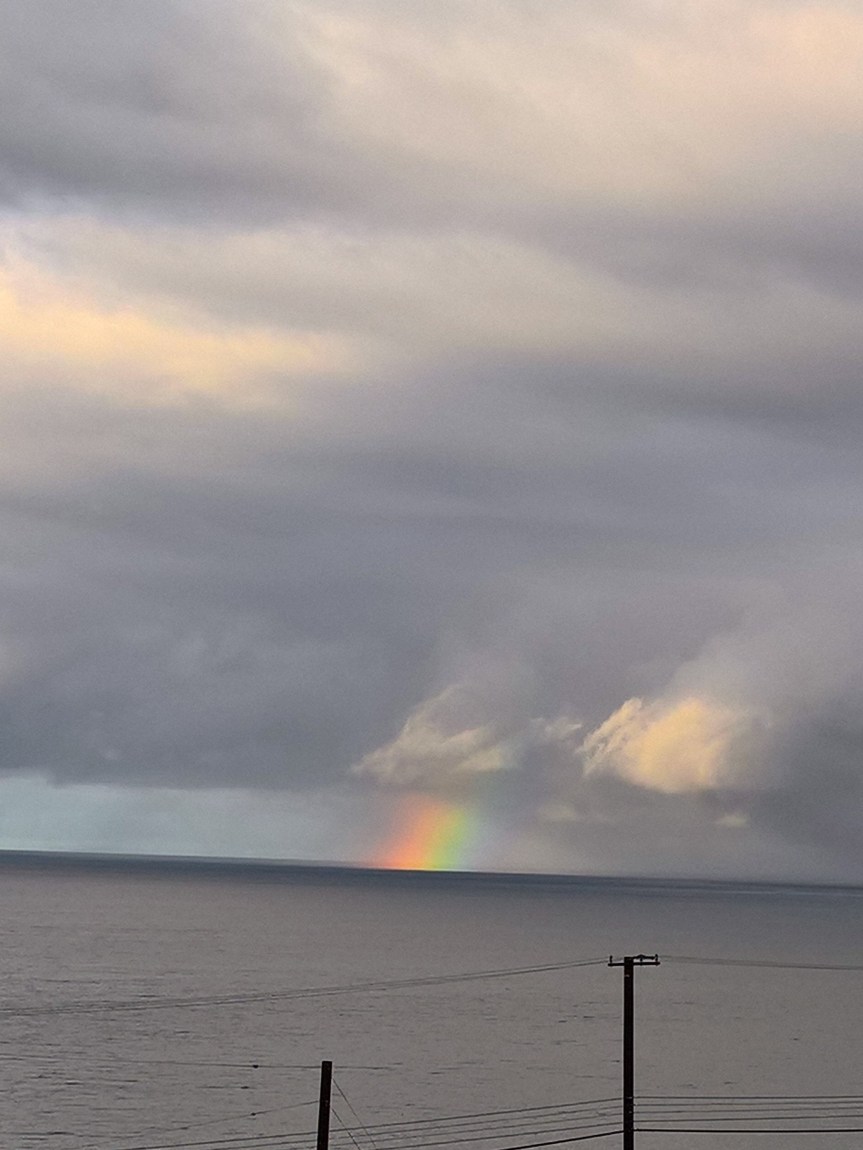
One of the gifts of living by the ocean is the view is ever-changing. I have a particular relationship with this constant inconstancy. I am grounded in a reality that fluctuates from no will of mine and it humbles me to bear witness to a majesty I know is endless.

I can literally see the curvature of the earth from my front deck in Malibu. Some days the sea looks like mirrored glass; other days the roiling whitecaps attenuate forever. This is what I can see, yet I know life teems beneath the surface in the labyrinth of an ecosystem of which I can only speculate. And yet I know it is there. Hidden from view, from knowledge, from judgment, from the temptation of assumption. All that is given to me is the moment and my perception. If I stand still and tune into my thoughts, I am aware of my consciousness. I believe if one really wants to know themselves, all they have to do is listen to the song within.

I’m saying all this because first thing this morning, I walked out and was caught unaware by the photograph you see above. It startled me in an awestruck, sobering way, yet the voice I consider the intimate “me” resounded unbiddenly in two words: “Of course.” In that moment, I was reminded of my fundamental beliefs, and they have everything to do with my relationship with the unknown. What I believe is things are rarely as they seem. In the midst of ambiguity, there is always hope.

You don’t need me to remind you these are strange times, unbalancing times, unsettling times, but what I’m thinking of is my understanding of the bigger picture. Because you have to pay attention to your perception of this world. If you do, it dictates experience both immediate and long-range. I’m neither prophet nor seer, but I trust my intuition. When I walked out this morning and saw this neon rainbow placed on the sky seemingly by the hand of God, what I knew at that moment is, always, there is great hope.