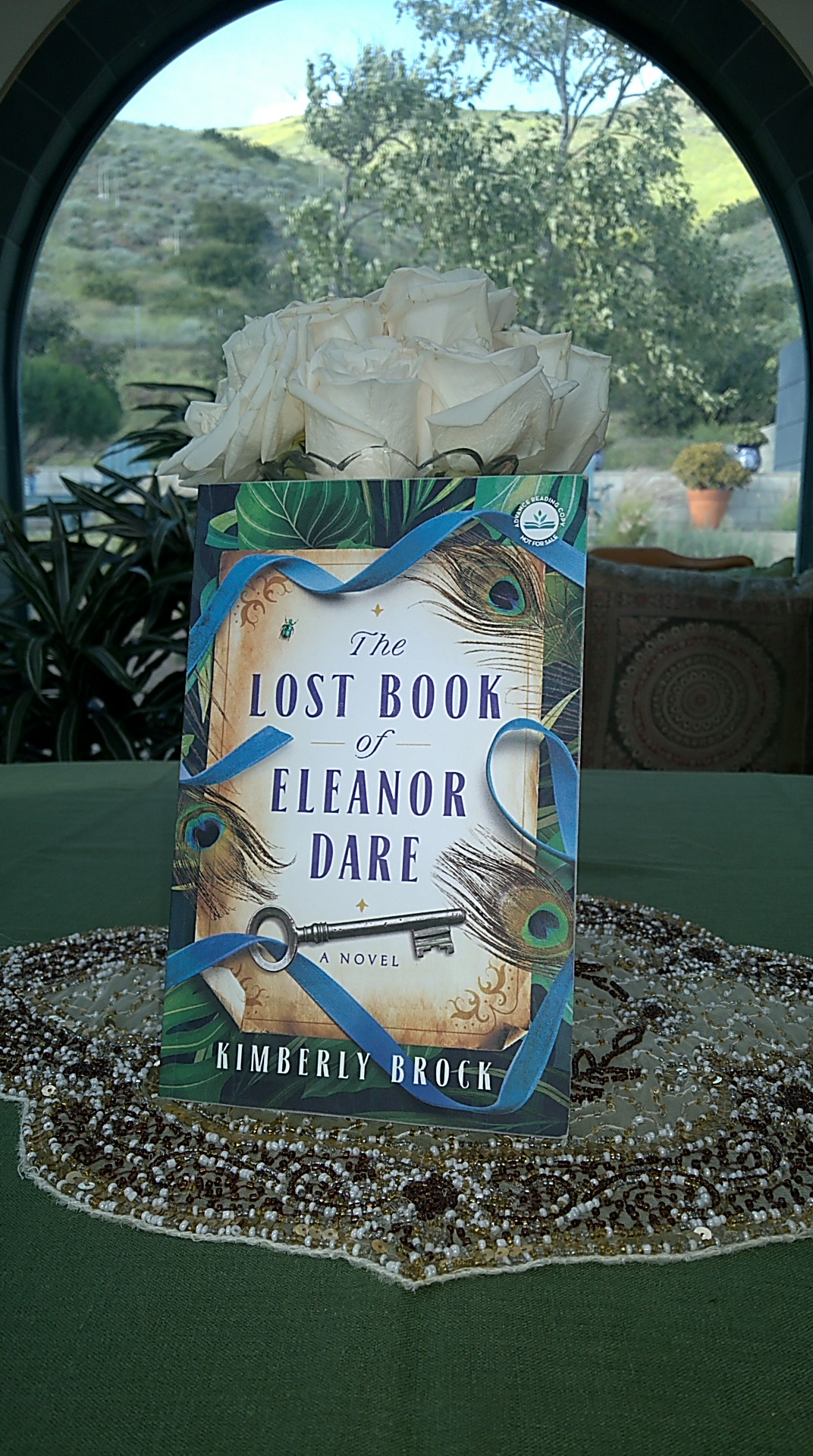
The Lost Book of Eleanor Dare by Kimberly Brock

As my review appears in The New York Journal of Books:

The Lost Book of Eleanor Dare is historical fiction based on a true story with legendary status having to do with a mystery beginning in 1585 concerning the Lost Colony of Roanoke, whose citizens vanished without a trace during the perilous times of Americaโ€™s early settlement. Itโ€™s a multigenerational story haunting Alice Merely Young, a WWII widow in her late thirties, and mother to 13-year-old daughter, Pennilyn.

It is the spring of 1945 when Aliceโ€™s small-business owning father dies in Helen, Georgia, and Alice returns to the deep roots she tried to outrun on her familyโ€™s neglected, vast acreage farm, six miles from Savannah. On riverside grounds sits a dilapidated mansion named Evertell, which Alice inherited. The house has suffered since sheโ€™s last seen it, and in Aliceโ€™s absence the secrets of her lineage once whispered by forebears, from one generation of women to the next are now silent.

Across the river by the family graveyard, in the small chapel on Bell Island, a treasured commonplace book is housed, which the mother of Aliceโ€™s ancestor, Eleanor Dare, began in England, and which Eleanor safeguarded as a Roanoke colonist with an eye

toward passing down to future generations. In the commonplace book, Eleanor Dare scratched a secret: โ€œEvery woman in Eleanorโ€™s motherโ€™s line waited for the day when her heart would be ready and she would have a vision, her Evertell, a sign sheโ€™d come of age and with it the gift of guidance from her forebears. . . . This is what passed from mother to daughterโ€”a book of womenโ€™s wisdom and mysteries.โ€

 It is now 15 generations down Eleanor Dareโ€™s line, and Alice knows the commonplace book rightly belongs in the hands of her daughter, yet the bravery required to confess her role in one tragic night holds Alice back as she summons the memory of the last time she saw her troubled mother. Alice thinks, โ€œMy mother taught me that a story matters, not because it is true, but because itโ€™s been told.โ€

Alice carries the burden of guilt over a failed familial rite of passage involving her mother and the legacy of a stone now lying sacrosanct deep in Evertellโ€™s woods, thought to be inscribed by Eleanor Dareโ€™s own hand. The memory of that night haunts Alice, who stands before the Evertell woods and thinks, โ€œUntil now, Iโ€™d tried to forget what happened. Iโ€™d never planned to go back to that place. But that was before I had a daughter of my own. Now she looks at me with the question all daughters are bound to ask their mothers: Who are you?โ€  

Sonder Holloway has kept Evertellโ€™s grounds for 23 years, ever since Alice and her father fled to the town of Helen after the death of Aliceโ€™s mother. Taciturn, reliable, and four years Aliceโ€™s elder, heโ€™s a devoted man who has Aliceโ€™s best interest at heart, but the unreconciled shame Alice carries makes the reunion of the childhood friends awkward, and when Alice reports her intention of selling Evertell to finance Pennโ€™s education, Sonder is sensitive to Aliceโ€™s past and patient.

He, and a handful of other wonderfully drawn local characters know well of Evertellโ€™s secrets, for the tightly woven threads of Evertellโ€™s storied fabric include many in the nearby village. All know the legend of the Dare stone connecting Aliceโ€™s family with a dark history, and though itโ€™s of historical significance, Alice suspects that stone is the source of a family curse.

The Lost Book of Eleanor Dare is an intriguing, dreamy story about the impact of one unhealed woman who has yet to reconcile her past in such a way that lends itself to transparency with her young daughter, who, by birthright, wants to know and deserves to know about her own lineage. Author Kimberly Brock delicately balances mystery, family lore, and honoring oneโ€™s forebears in sonorous language throughout a sweeping story with three points of view, two timeframes, and remarkably steady pacing. Weaving myth and legend with historical fact pertaining to an age-old American mystery, The Lost Book of Eleanor Dare is a spellbinding, beautiful story written by a graceful hand with just the right amount of mysticism.  

Claire Fullerton’s most recent novels are Little Tea and multiple award winner, Mourning Dove. Honors include the Independent Book Publishers Book Award Silver Medal for Regional Fiction, the Reader’s Favorite for Southern Fiction Bronze Medal and various other literary awards.

Buy on Amazon

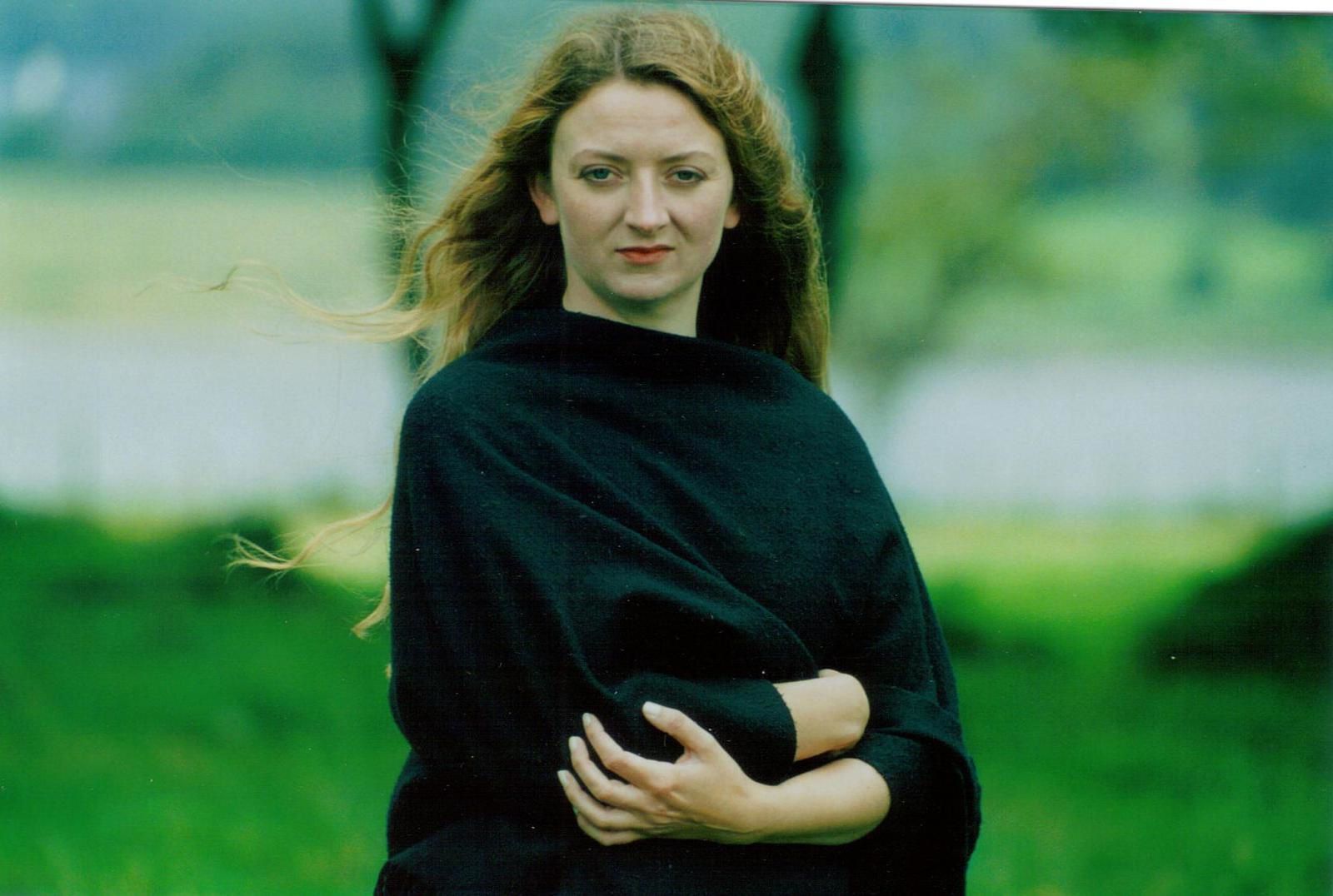
Kimberly Brock is the award-winning author of The Lost Book of Eleanor Dare and The River Witch.

Her debut was an Amazon bestseller featured by both national and international book clubs and included in multiple reading lists. Praised by RT Reviews and Huffington Post as a โ€œsolemn journey of redemption, enlightenment and love,โ€ and evocative of โ€œthe stories of Flannery Oโ€™Connor and Carson McCullers,โ€ Kimberlyโ€™s debut novel was honored with the prestigious Georgia Author of the Year Award in 2013, by the Georgia Writerโ€™s Association.

A former actor and special needs educator, Kimberly received her bachelorโ€™s degree from the University of West Georgia in 1996. In 2014, Kimberly founded Tinderbox Writerโ€™s Workshop, a transformative creative experience for women in the arts. Kimberly has served as a guest lecturer for many regional and national groups, including The Womenโ€™s Fiction Writerโ€™s annual conference and The Pat Conroy Literary Center. She lives near Atlanta with her husband and three children.

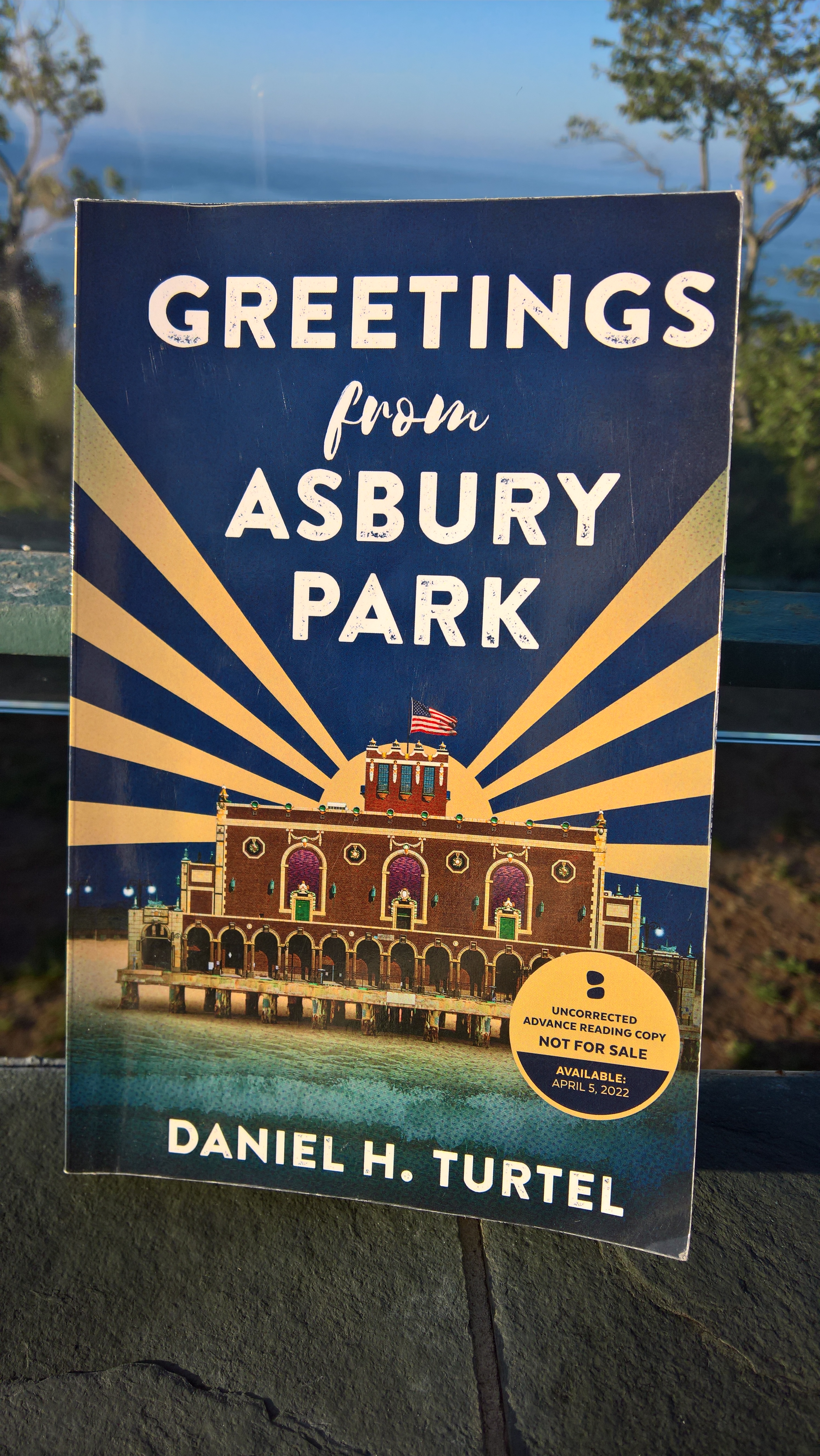
#Book Release! Greetings from Asbury Park by Daniel H. Turtel

Greetings from Asbury Park

Image of Greetings from Asbury Park

Author(s): 

Daniel Turtel

Release Date: 

April 5, 2022

Publisher/Imprint: 

Blackstone Publishing

Buy on Amazon

Reviewed in The New York Journal of Books by

Claire Fullerton

โ€œa pithy, enjoyable, modern-day story from start to finish, with a cast of fully realized characters youโ€™ll champion to the end.โ€

The sphere of activity in Daniel H. Turtelโ€™s Greetings from Asbury Park epitomizes character as place, vacillating along the New Jersey shore between Asbury Park, Deal Lake, and Long Branch, in a vivid and vibrantly described setting. โ€œThe boardwalk followed the sand from the northern tip of Asbury Park all the way south to Belmar and beyondโ€”a stretch of more than three miles before the Shark River Bridge interrupted it.โ€ On the boardwalkโ€™s half-mile commercial strip between Convention Hall and the Casino, โ€œthere were restaurants and bars all down the strip . . . and it was always busiest in the summer.โ€  

It is the summer of 2016, and affluent Joseph Larkin is dead. A philandering, self-serving, unlikable man who lived in a Long Branch estate, he, seemingly for the sport of creating chaos from the grave, leaves an unresolved web of interconnected characters in his wake, who are primarily unaware of each other.

Greetings from Asbury Park is Casey Larkinโ€™s story. In his early twenties and on hiatus for one month from his job in New York City to attend Joseph Larkinโ€™s funeral, he spends the hot summer days coming to terms with his identity against a backdrop of disparate characters from varying backgrounds all touched by the long shadow of his deceased, biological father. 

Twenty-six-year-old neโ€™re do well, Davey Larkin, is the pill-popping, heavy-drinking, legitimate son of Joseph Larkin, who โ€œhad a personal stool at the bar Popโ€™s Garage in Asbury Park and bought a drink for anybody who approached him to offer condolences.โ€ Davey is well aware of Casey, his illegitimate half-brother born of his fatherโ€™s mistress, whoโ€™s kept conveniently on the other side of town in an area named Allenhurst. Casey explains their relationship: โ€œDaveyโ€™s mother was Josephโ€™s wife and Allenhurst was as close as she would allow him to keep his mistress . . . I did not even meet Davey until I was eight years old, and did not go to live with them, until three years later, when my mother decided that sheโ€™d had enough of being a mistress and headed to New York with the money sheโ€™d squeezed out of Joseph in order to try her hand at life as a single woman.โ€

Casey and Davey have an awkward relationship, and neither have knowledge of their biracial, half-sister, a promising teenage singer in the boardwalk nightclubs named Gabby, whose mother, it is discovered, was Josephโ€™s maid for 20 years. When Casey and Gabby unexpectedly meet after Joseph Larkinโ€™s funeral through circumstances involving Caseyโ€™s inheritance, a complicated relationship ignites, and the moral line between the taboo of shared blood and the unwitting spark of attraction is highlighted.

Meredith Hawthorne is the daughter of an Irish immigrant who works as a landscaper. A year ahead of Casey while they were in middle school, Meredith grew up next door to Casey in Allenhurst and knows of his history with Joseph and Davey Larkin. In reconnecting with Casey, while heโ€™s in town for Josephโ€™s funeral, Meredith is equally as tentative and inarticulate with her feelings for him as she was when they were younger.

Julie Kowalski owns an upscale boardwalk dress shop named Madame K and employs Gabby part-time. Known regionally as Madame K, Julie is the mother of the free-spirited Lena, with whom Casey has a one-night stand on the night of Josephโ€™s funeral, after meeting her in a boardwalk bar. Every morning, Julie takes her cup of coffee to her front porch, and watches in fascination as 19-year-old Jacob Besalel runs four laps around Deal lakeโ€™s eastern tip.

A serious, disciplined young man from a devout Syrian Jewish background, Jacob is dismayed that his younger sister, Sophia, goes beyond their strict upbringing to test societyโ€™s fringes on the boardwalk, where she crosses paths with Madame K, Gabby, and Davey. Because the Besalel family spends summer in the area, all characters in this surprising story are brought into wonderfully crafted, uncanny alignment in ways that add depth, dimension, and clever layers to the tightly entwined story of fate and chance and the inescapable bonds of family connections.  

Daniel H. Turtel artfully weaves multiple storylines centered on Asbury Park and stemming from the life of the duplicitous Joseph Larkin. Varying points of view amid clashing cultures are used throughout this modern-day, progressive story that reads like a sign of the times amid a dysfunctional family, whose hidden story is finally brought to light.

Through the use of economic language and the power of a wildly engaging story, Greetings from Asbury Park explores existential questions such as right versus wrong; nature versus nurture; morality versus self-direction, and ultimately, to whom we are accountable. Itโ€™s a pithy, enjoyable, modern-day story from start to finish, with a cast of fully realized characters youโ€™ll champion to the end.  

Claire Fullerton’s most recent novels are Little Tea and multiple award winner, Mourning Dove. Honors include the Independent Book Publishers Book Award Silver Medal for Regional Fiction, the Reader’s Favorite for Southern Fiction Bronze Medal and various other literary awards.

River, Sing Out by James Wade: Book Review

In the captivating River, Sing Out, author James Wade weaves lyrical prose and character driven regional dialect against a hardscrabble backdrop along the East Texas Neches River. 

Thirteen-year-old Jonah Hargrove lives in a trailer beside the river that โ€œsat clumsy and diagonal, and faced the small clearing, looking out at the world as if someone had left it there and never returned.โ€ Motherless and at the mercy of a hard-drinking, abusive father only at home part time, Jonah is a friendless, social outcast left to his own devises. When he finds a secretive, seventeen-year-old girl on the run in the woods, his life is upturned when he nurses her to health and helps her search for the lost backpack holding the meth she stole from shady John Curtis, which she plans to sell, in hopes of starting her life over.  

John Curtis is not a man with whom to trifle. Wiley, quick-witted, and ambitious, he runs an East Texas drug operation, and is regionally feared. When Dakota Cade, Curtisโ€™s muscle-bound, right-hand man, asks about the secret to Curtisโ€™s success, Curtis replies, โ€œIf it werenโ€™t for the rage inside of me, I donโ€™t believe Iโ€™d be able to take another breath. Wasnโ€™t always like that, of course. I used to think there was something wrong with me. Something missing, maybe. But the older I got, the more I understood what I had was a gift.โ€ย 

When Jonah asks the girl he found to tell him her name, she casts her covert eyes to the water and says, โ€œCall me River,โ€ and with literary existential sleight of hand, author James Wade metaphorically writes, โ€œThe river flowed and the world turned, cutting paths both new and old, overwhelming those things which came before but could not adapt to the constant movement, the everlasting change. The river and the world together, and both giving life and both swallowing it whole, and neither caring which, and neither having a say in the matter. The boy watched both passing by, his choice and his path each belonging to some current long set in motion.โ€ 

Jonah and River are wary misfits, each without the skills to humanly connect even as they fall into collusion in their mutual flight from the pursuit of the determined John Curtis. With riveting pacing, a heart tugging relationship grows between the youths in fits and starts, โ€œBut such solace in those first days was rarely more than a whisper, fading so quickly and completely, the girl was left to question whether it had been there at all.โ€ As the two wade together in the Neche River, their relationship dares to take root, โ€œAnd somewhere in the beyond, a single fate was selected from a row of fates, no one more certain than the other, yet each bound to the world by threads of choice and circumstance.โ€ 

A sense of page-turning urgency drives River, Sing Out. Itโ€™s a high stakes story in flight by a babe in the woods who helps the first love of his life run from a criminal so cleverly sinister as to be oddly likable. Action packed and visually drawn with dire cliff-hanging crafting, River, Sing Out has the extraordinary one-two punch of fascinating high drama written in deep-thinking, elegant prose.     

https://www.jameswadewriter.com/

James Wade author headshot

“An extraordinary piece, exemplifying wonderful positive restraint by letting the narrative solve the condition. Just very well done. No wasted words.”

โ€‹

–Paul Roth, editor, The Bitter Oleander

ABOUT JAMES

James Wade is an award-winning fiction author with twenty short stories published in various literary journals and magazines. His debut novel, ALL THINGS LEFT WILD, was released June 16, 2020 from Blackstone Publishing. His second novel, RIVER, SING OUT, also from Blackstone Publishing, was released June 8, 2021. He has 6 additional novels forthcoming from Blackstone Publishing.

James spent five years as a journalist, before serving as a legislative director at the Texas State Capitol during the 83rd Legislative Session. He also worked as a lobbyist on behalf of water conservation in Texas. 

James lives in the Texas Hill Country, with his wife and daughter. He is an active member of the Writers’ League of Texas.

Represented by Mark Gottlieb with Trident Media Group

โ€‹

Awards and Honors:

Winner of the 2021 Reading the West Award for Best Debut Novel (ALL THINGS LEFT WILD)

Winner of the 2021 Spur Award for Best Historical Fiction (ALL THINGS LEFT WILD)
A winner of the 2016 Writers’ League of Texas Manuscript Contest (Historical Fiction)
A finalist of the 2016 Writers’ League of Texas Manuscript Contest (Thriller)
A finalist of the 2016 Tethered By Letters Short Story Contest
Honorable mention in the 2016 Texas Observer Short Story Contest

Honorable mention in the 2015 Texas Observer Short Story Contest

โ€‹

Work by James can be found in the following Publications and Anthologies:
The Bitter Oleander | Skylark Review (Little Lantern Press) | Tall…ish (Pure Slush Books) | Intrinsick Magazine | Dime Show Review | Bartleby Snopes | Jersey Devil Press | Typehouse Magazine | After the Pause Journal | J.J. Outre Review | Potluck Magazine | Yellow Chair Review | Through the Gaps | Eunoia Review 
 

FOLLOW JAMES

Instagram
James Wade Writer Facebook
James Wade Writer Twitter
James Wade Writer LinkedIn

The Best Southern Books

As it appears on Shepherd: Best Books

https://shepherd.com/best-books/southern-books

Claire Fullerton Author Of Mourning DoveBy Claire Fullerton

Who am I?

I’m the multiple, award-winning author of 4 novels and one novella, raised in Memphis, Tennessee, and now living in Southern California. The geographical distance gives me a laser-sharp, appreciative perspective of the South, and I celebrate the literary greats from the region. The South is known as the last romantic place in America, and I believe this to be true. The Southโ€™s culture, history, and social mores are part and parcel to its fascinating characters, and nothing is more important in the South than the telling of a good story. As a writer, I’m in love with language. I love Southern turns of phrase and applaud those writers who capture Southern nuance. It is well worth writing about Southern sensibilities.


I wrote…

Mourning Dove

By Claire Fullerton
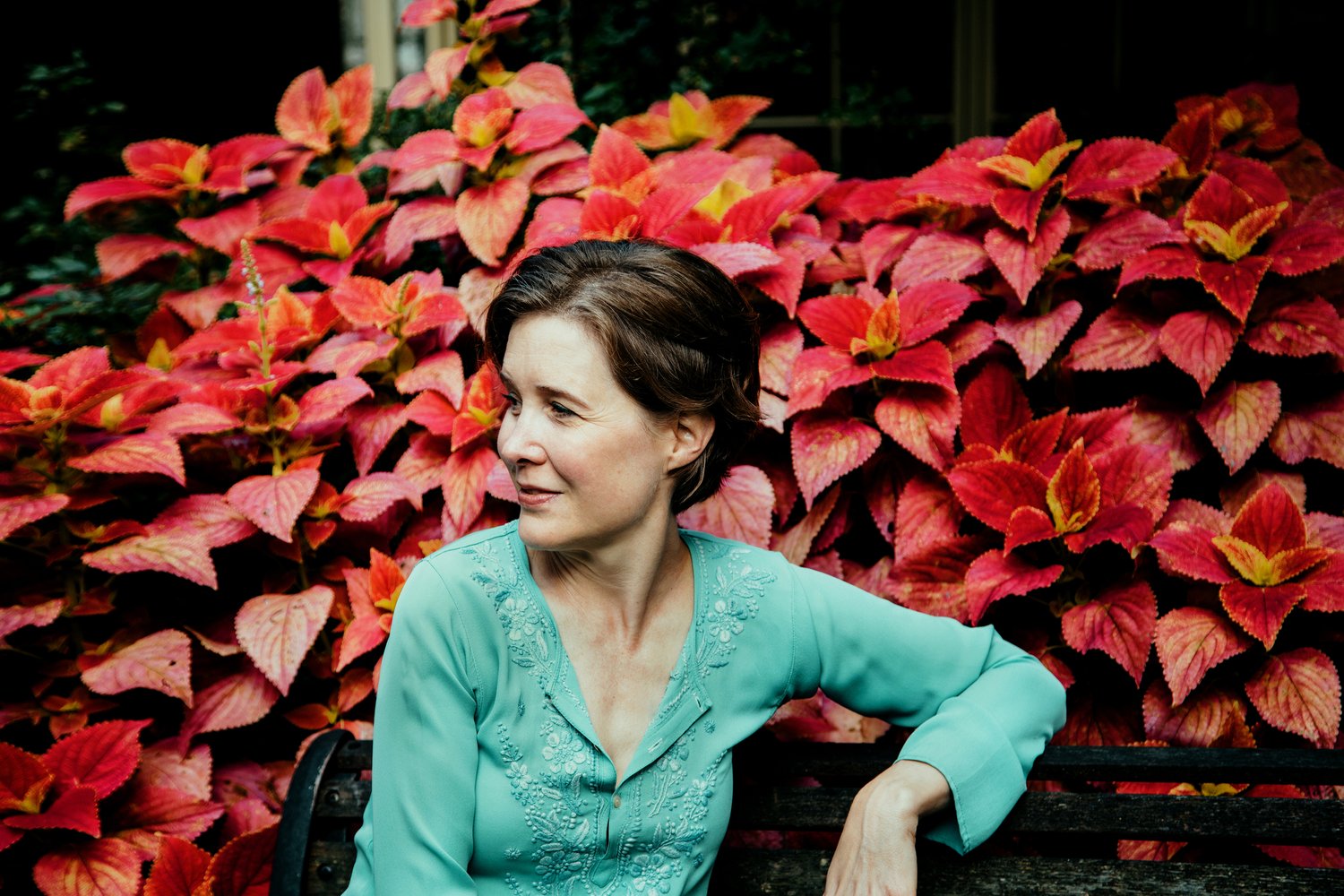
Mourning Dove

What is my book about?

An accurate and heart-wrenching picture of the sensibilities of the American South. Millie and Finley Crossan move from Minnesota to their motherโ€™s genteel world of 1970โ€™s Memphis and learn to navigate the social mores of the Deep South, where all that glitters is not gold. Southern nuance, charismatic characters, a sibling relationship, and an opulent setting underlie this 13-time book award winner that asks how it is that two siblings who share the same history can turn out so differently. 

When you buy a book we may earn a small commission.

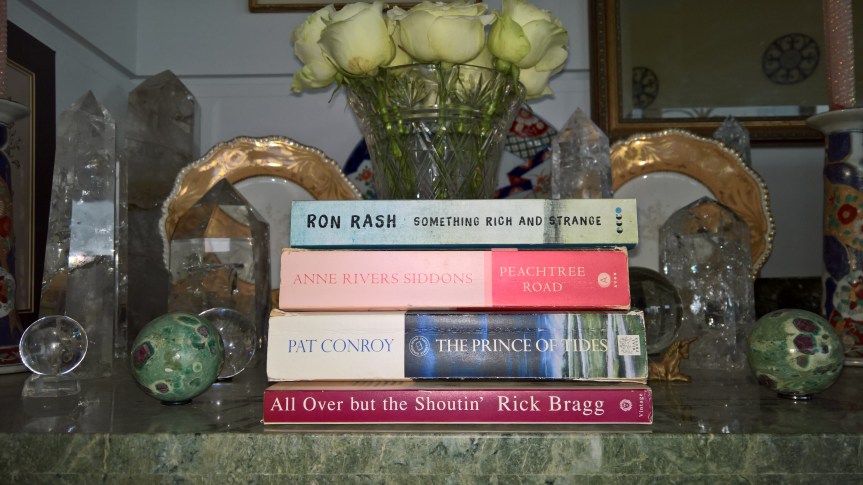
The Books I Picked & Why

The Prince of Tides

By Pat Conroy

The Prince of Tides

Why this book?

A resounding Southern family saga. A sins-of-the-father story told in the first person by one of the Southโ€™s most revered authors. The Prince of Tides is set on a barrier island off the coast of South Carolina and depicts the haunting secrets of the working class Wingo family in a multi-generational story rife with Southern nuance and now considered a literary classic. The story opens when narrator Tom Wingo flies from the South to New York to meet with his sisterโ€™s psychiatrist, and the astounding family saga unfolds from there. 


When you buy a book we may earn a small commission.

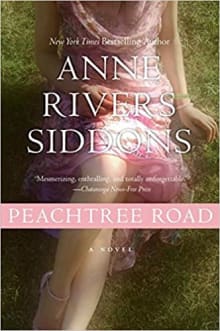
Peachtree Road

By Anne Rivers Siddons

Peachtree Road

Why this book?

Peachtree Road is considered a modern-day Gone with The Wind, in that it is set in the pivotal, changing times of 1960โ€™s Atlanta, and concerns the opulent area of Buckhead, where the privileged who built modern-day Atlanta live. The story is narrated in lyrical language by Shep Bondurant, an insightful young man born to privilege, who tells the coming-of-age story of Southern traditions and hypocrisy, and the impact of growing up alongside his troubled cousin, Lucy. A deeply probing story on multiple levels concerning society and the impact of family. 


When you buy a book we may earn a small commission.

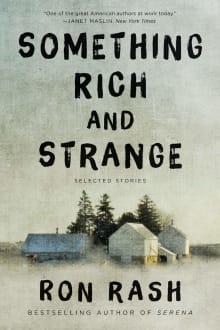
Something Rich and Strange: Selected Stories

By Ron Rash

Something Rich and Strange: Selected Stories

Why this book?

Ron Rash is a national, literary treasure. The author of multiple award-winning novels, this book is an assembly of 34 short stories, most set in Appalachia, and depicting the social nuances and landscape of the American rural South. I recommend this because it will provide a great introduction to the incomparable author known as The Appalachian Shakespeare. As a writer, Ron Rash epitomizes the idea of landscape as destiny, and his well-drawn characters come to life from his flawless use of regional language. 


When you buy a book we may earn a small commission.

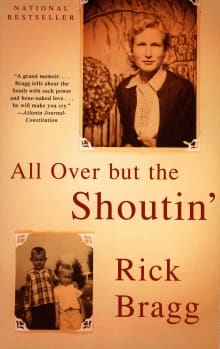
All Over But the Shoutin’

By Rick Bragg

All Over But the Shoutin'

Why this book?

Pulitzer prize-winning and best-selling author Rick Bragg depicts hardscrabble, family life in rural Alabama, with a bad-tempered, hard-drinking father and a mother who wonโ€™t see her children go without. Braggโ€™s honest voice is immediate and compelling, and the visceral feel of the setting is the perfect backdrop for this rags to riches story of a man who triumphs over adversity to become a widely acclaimed writer. Braggโ€™s use of Southern vernacular is what makes this story. 


When you buy a book we may earn a small commission.

The Fighter

By Michael Farris Smith

The Fighter

Why this book?

The Fighter is Southern noir at its best, and the spare, economic voice of the narrator adds to the guttural bleakness of a man down on his luck but willing to persevere against all odds. Set in the sultry Delta, Jack Boucher has put behind him 25 years of bare-knuckle fighting but is given cause to step into the ring one more time. A dark desperation colors this popular novel, and readers will be shown why Michael Farris Smith is considered one of the finest writers now on the American literary landscape.   


https://shepherd.com/best-books/southern-books

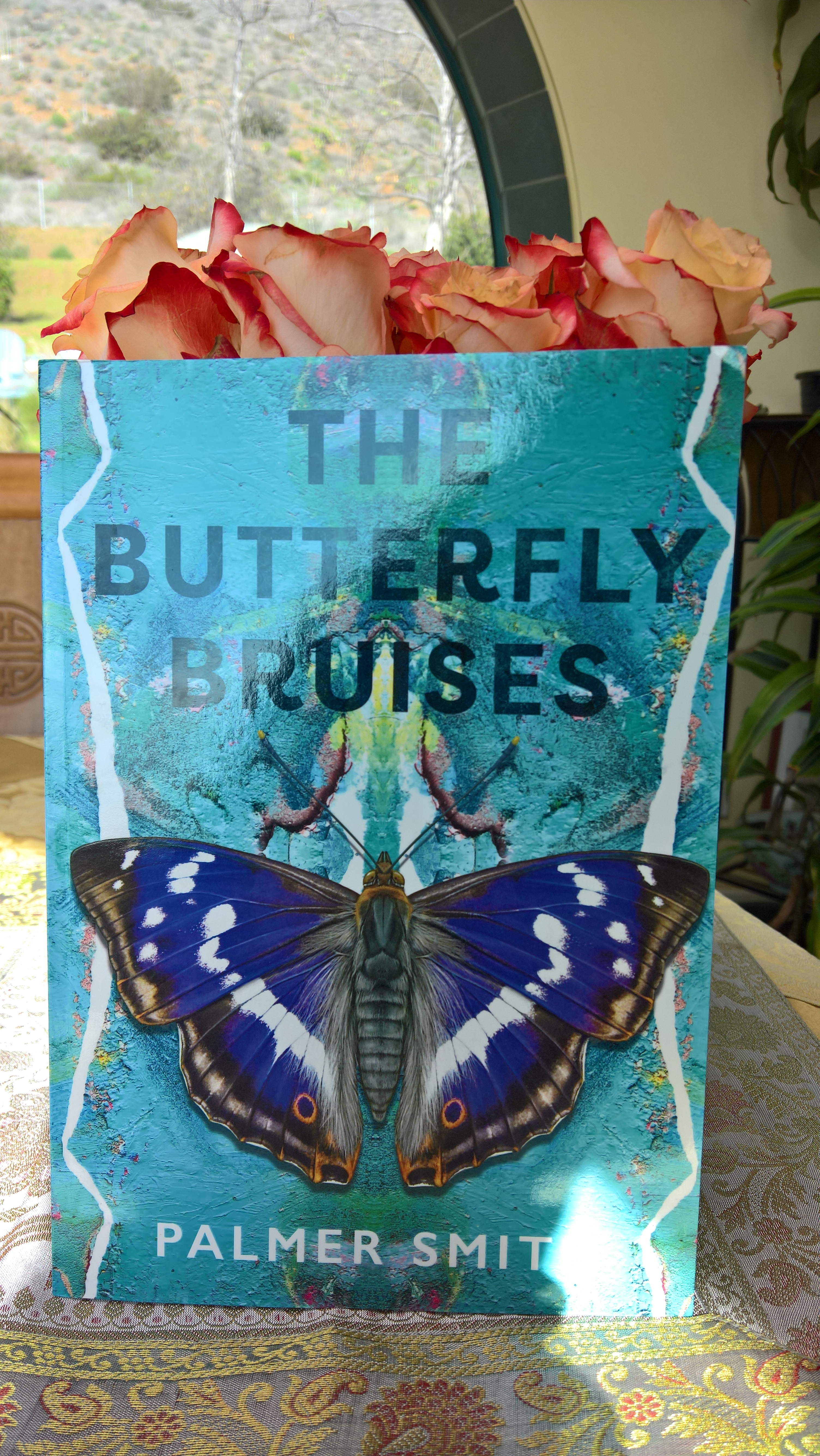
The Butterfly Bruises by Palmer Smith

ABOUT THE BUTTERFLY BRUISES 

Smith’s debut collection consists of 80 poems and several short stories. It is a meditation on miscommunication, childhood, Northeastern vs. Southern American culture, family, nature vs. technology, and the imagination of the introvert.

โ€‹

โ€œFrom sonnets to somnambulance, from algae to oxytocin, from manatees to Manhattan, Smith rides the riptides of memoryโ€™s fictions and frictions in this prolific debut. The Butterfly Bruises is a gem mine of poems and stories that write through grief and growing up, personal and planetary survival, with words rugged and glistening like seashell shards.โ€

-Poetry Critic and Scholar, Professor Robert Dewhurst 

Meet the Author

129957630_10224240887232187_563704886495

Having grown up in NYC and the Southeast, Palmer is presently an MA student at The University of Virginia. Read More

Claire Fullerton’s Reviews > The Butterfly Bruises

The Butterfly Bruises by Palmer Smith

The Butterfly Bruises
by Palmer Smith (Goodreads Author)
Claire Fullerton‘s review  

An assembly of deep probing, masterfully crafted prose and poetry for the discerning reader. The tone is insightful, the use of language impressively beyond the pale. Thought provoking and at times seemingly personal and confessional, the contents of Palmer Smith’s The Butterfly Bruises is breathtaking as her subjects range from a mirror reflection to the death of the family dog to musings on how butterflies survive in winter. This is a book to savor; extraordinary, creative writing that reads as a series of vignettes written from a fresh perspective. A list of eleven discussion questions at the book’s end for book clubs and readers will prompt your powers of reflection, and there is much to reflect upon in this resonant, meditative book! I thoroughly enjoyed it and will certainly revisit its pages.

Meet Palmer Smith

Passionate about writing and poetry, Palmer 

is a current English MA student.

Her poetry and short stories have appeared in:

โ€‹

Refresh Magazine

The Crime Yard

Newark Library Literary Journal

The Online Journal for Person-Centered Dermatology

Ninshar Arts

Opal Literary

Sea Maven Magazine 

Soul Talk Magazine 
Calm Down Magazine 

For Women Who Roar

A New Ullster Magazine

Poethead: The Irish Poetry Journal

Potted Purple Magazine 

Push Up Daisies Magazine

Level: deepsouth 

The Remington Review

The Scissortail Quarterly… amongst many others.

โ€‹

Her poetry was recently praised by the CFO of Garden and Gun Magazine. 

The Butterfly Bruises is her first published collection of work.

130255380_10224240887592196_130035733138
Butterfly Bruises

https://www.thebutterflybruisesbook.com/

Dead of Winter: A Christmas short story from Cork writer Billy O’Callaghan

The Best Christmas Gift: A gorgeous Short Story from Irish author, Billy O’Callaghan!

Dead of Winter: A Christmas short story from Cork writer Billy O'Callaghan

The Cork author writes exclusively for Irish Examiner readers, evoking a harsh winter on the farm, and the warmth of love and longing.

Link Below!

https://www.irishexaminer.com/lifestyle/artsandculture/arid-40770669.html

Billy O'Callaghan: evokes a harsh winter on the farm, and the warmth of love and longing

Book Review: Fugitive by David Butler

As it appears in The New York Journal of Books:

Fugitive: Short Stories

Image of Fugitive
Publisher โ€ : โ€Žย Arlen House (December 15, 2021)

Reviewed by:ย Claire Fullerton

โ€œAt times uproariously funny, uncannily accurate, and glaringly insightful, David Butlerโ€™s Fugitive is a collective exposรฉ on human nature delivered in entertaining snippets with such clever finesse it will reaffirm your enjoyment of the art of the short story.โ€

Award-winning novelist, poet, short story writer, and playwright David Butlerโ€™s second collection of short stories, Fugitive, is a delightful assembly of character-driven stories that, when pieced together, give the reader great insight into modern-day Ireland, while simultaneously depicting universal themes. These are swaggering, anecdotal stories, everyday slices of life made significant, visual as staged plays rollicking in pitch-perfect Irish vernacular, each with a pithy conclusion like a moral to the story.

The 21 short stories that make up Fugitive are primarily short in length and deeply human. Butlerโ€™s talent is the ability to set the stage in medias res, dropping the reader into the story with an immediate sense of familiarity. His narrative is direct and conversational, as in the case of the wildly surprising, hitch-hiking story gone wrong as two youths traverse the country. The story, โ€œTaylor Keith,โ€ opens with, โ€œThe mist rolling off the mountain was threatening rain, otherwise weโ€™d never have taken that lift.โ€ The journey from Dublin to Galway with a dubious stranger becomes a nerve-wracking misadventure when one odd shock follows another, until the narrator concludes of his driver, โ€œBy Jaysus, he was some cute hoor all the same.โ€  

In โ€œThe Lie,โ€ Butler posits the dilemma of Jack as he weighs the question of loyalty to a deceased friend named Ronnie to whom heโ€™d served as best man at his wedding. Beside the casket, Ronnieโ€™s widow asks him what really happened on that stag night long ago, remarking that ever after, Ronnie significantly changed until his life ended in suicide. Jack guards the hidden facts: โ€œRonnieโ€™d had what they term โ€˜history.โ€™ But what autopsy can disclose a state of mind?โ€

In โ€œThe Tailorโ€™s Shears,โ€ Butler weaves two subjects: the plight of a divorced woman past childbearing years and the frustrating unpredictability of the publishing world. After seven years of marriage, Emily Brooks wonders what to do with her life. โ€œSpinster is a cruel word. A male word. As she examined the fissured puffiness about those eyes with a detachment that surprised her, Emily decided she would not endure the humiliation of placing herself back on the market. On the reduced to clear shelf.โ€ When chance presents Emily with a local writing group, โ€œIt was as if a light had come on inside her head,โ€ and the reader is taken through 25 erratic years of Emily pursuing the publication of her short story collection, in a one step forward, two steps back manner that renders the superb ending comical.

The spot-on use of Irish colloquialism throughout Fugitive animates each lively story. In โ€œFirst Time,โ€ the teammate of a deceased 16 year old meets his dead friendโ€™s mother at the funeral and, after volunteering to help her around the yard, an improper relationship develops to dangerous proportions. The narrator says of himself, โ€œOK, I can be a bit of a headbanger on the rugby pitch, but Iโ€™ve never been any use with the girls,โ€ and โ€œIโ€™d never so much as snogged a girl.โ€ After the illicit affair is discovered, the young man wonders, โ€œI would love to know who dobbed us in. One of the neighbors, was it? Can you not?โ€

Tipping its hat to the sign of the times, the witty โ€œDistancingโ€ portrays the unintended consequences of social distancing when the anxious Emily calls her neighbor, in that short window of time while her husband walks the dog, to ask that her skimpily clad, 18-year-old Brazilian au pair be kept from her husbandโ€™s line of view. Nervous at being caught out by her husband, upon his return, Emily composes a smile, โ€œthe smile that, ever since the lockdown started, seemed only to put Frankie on edge.โ€  

At times uproariously funny, uncannily accurate, and glaringly insightful, David Butlerโ€™s Fugitive is a collective exposรฉ on human nature delivered in entertaining snippets with such clever finesse it will reaffirm your enjoyment of the art of the short story.  

Claire Fullerton’s most recent novels areย Little Teaย and multiple award winner,ย Mourning Dove.ย Honors include the Independent Book Publishers Book Award Silver Medal for Regional Fiction, the Reader’s Favorite for Southern Fiction Bronze Medal and various other literary awards.

May be an image of 1 person

David Butler is a multi-award winning novelist, poet, short-story writer and playwright. The most recent of his three published novels, City of Dis (New Island) was shortlisted for the Kerry Group Irish Novel of the Year, 2015. His poetry collections All the Barbaric Glass (2017) and Liffey Sequence (2021) are published by, and available from, Doire Press. His 11 poem cycle โ€˜Blackrock Sequenceโ€™, a Per Cent Literary Arts Commission illustrated by his brother Jim, won the World Illustrators Award 2018 (books, professional section). Arlen House is to bring out his second short story collection, Fugitive, in 2021. Literary prizes include the Maria Edgeworth (twice), ITT/Red Line and Fish International Award for the short story; the Scottish Community Drama, Cork Arts Theatre and British Theatre Challenge awards; and the Fรฉile Filรญochta, Ted McNulty, Brendan Kennelly and Poetry Ireland/Trocaire awards for poetry. His radio play โ€˜Vigilโ€™ was shortlisted for a ZeBBie 2018. David tutors regularly at the Irish Writers Centre.

These Precious Days by Ann Patchett

56922687

This Review first appeared in The New York Journal of Books: https://www.nyjournalofbooks.com/book-review/these-precious-days-essays-0

It takes a writer with supernatural depth of field to remind us that lifeโ€™s seeming trivialities matter. In the aptly named, These Precious Days, author Ann Patchett brings a sense of the sacred to twenty-three, deeply introspective vignettes that shed light on her uncommon life even as they entertain. Each essay is a slice-of-life meditation in topics ranging from family to knitting to the incremental growth of the authorโ€™s career. In equal measure, the engaging essays are uniquely personal and resoundingly universal.

Beginning with Three Fathers, Patchett examines the oddity of her paternal background, and reflects upon the individual influences of her motherโ€™s three husbands by noting, โ€œMarriage has always proven irresistible to my family. We try and fail and try again, somehow maintaining our belief in an institution that has made fools of us all.โ€ With full disclosure, Patchett adds, โ€œMy problems were never ones of scarcity. I suffered from abundance, too much and too many. There are worse problems to have.โ€

In The First Thanksgiving, Patchett tells the story of learning to cook as a freshman away from home for the holiday and ties it into a life lesson: โ€œOn that freezing holiday weekend when my adult life began, I not only learned how to cook, I learned to read,โ€ and โ€œI then went on to use this newfound understanding to great advantage for the rest of my life. Books were not just my education and my entertainment; they were my partners.โ€

With regard to the beginning stages of her writing career, in the essay, To the Doghouse, Patchett writes about the mysterious powers of childhood influence: โ€œInfluence is a combination of circumstance and luck: what we are shown and what we stumble upon in those brief years when our hearts and minds are fully open.โ€ Just as the reader prepares for something erudite coming, Patchett waxes rhapsody on the dog, Snoopy, from the Charlie Brown comic strip. โ€œDid I become a novelist because I was a loser kid who wanted to be more like the cartoon dog I admired, the confident dog I associated with the happiest days of my otherwise haphazard youth? Or did I have some nascent sense that I would be a writer, and so gravitated toward Snoopy the dog novelist?โ€

Going deeper into the topic of her writing career, in A Talk to the Association of Graduate School Deans in the Humanities, Patchett shares, โ€œI went to Sarah Lawrence College in 1981 and had as good an undergraduate experience as any writer could dream up,โ€ then goes on to depict her two-year experience at the Iowa Writerโ€™s Workshop, in which she studied with visiting faculty while teaching literature. Patchette writes, โ€œWhat I learned in those two years of graduate school came not from being taught but from teaching.โ€ โ€œTeaching made me a better reader and a better thinker. I became more conscious about how I expressed myself, which in turn made me a better writer.โ€

On friendship, the essay, Tavia, depicts a life-long friendship beginning in the second grade, in which Patchette writes, โ€œInsofar as life is a game show, Tavia Cathcart is my lifeline.โ€ But it is in the bookโ€™s eponymous essay, These Precious Days, that Patchett dives deepest while recounting the incremental stages of a significant friendship formed later in life. Of These Precious Days, Patchett writes in the bookโ€™s introduction, โ€œIt wasnโ€™t until I wrote the title essay, These Precious Days, that I realized I would have to put a book together. That essay was so important to me that I wanted to build a solid shelter for it.โ€ And Patchett did. The introspective essays that lead to the bookโ€™s focus catalogue lifeโ€™s vagaries in such a way as to place your own powers of observation beneath the lens of scrutiny.

In the essay, These Precious Days, Patchett tells of the chance events that aligned to bring one Sookie Raphael into her orbit. An invitation to interview Tom Hanks on stage started a series of email correspondence with Sookie, Tom Hanksโ€™ assistant, and the seeds of friendship planted between Ann and Sookie take root at Annโ€™s home in Nashville. Under uncannily coincidental circumstances having to do with sheltering Sookie during the treatment of her dire medical prognosis, the women create a dynamic bond that now reads like fate. It is a heartbreaking essay, but in the hands of Patchett it is poignant, life-affirming, and testimony to the power of friendship. In the open-ended conclusion, Patchette writes, โ€œAs it turned out, Sookie and I needed the same thing: to find someone who could see us as our best and most complete selves.โ€

Two more essays lead to These Precious Days epilogue, serving, by turn, as an opportunity to revisit Annโ€™s writing career and the subject of her biological father. At this juncture, the reader is intimately familiar with the voice of the author. Theyโ€™ve been given the great largess of looking beneath the hood of a world-famous writerโ€™s life, and the reprieve given is a chance to regroup before the last essay, A Day at the Beach, in which comes the end of the story of Patchettโ€™s dear friend, Sookie Raphael, the vividly drawn inspiration behind the collectionโ€™s title essay.

Like a foray into the heartbeat of a widely beloved author, These Precious Days by Ann Patchett is a powerful essay collection, wonderfully executed and deeply human.

Ann Patchett is the author of six novels, including Bel Canto, which won the Orange Prize for Fiction. She writes for the New York Times Magazine, Elle, GQ, the Financial Times, the Paris Review and Vogue. She lives in Nashville, Tennessee.

Author photo by Heidi Ross

https://linktr.ee/cffullerton

Small Things Like These by Claire Keegan

As it appears in The New York Journal of Books:

Reviewed by: Claire Fullerton

In 114 pages, author Claire Keegan delivers an odyssey of the soul in her gem of a novel, Small Things Like These, without leaving the setting of New Ross, beside the River Barrow.

It is 1985 Ireland, and coal and timber merchant Bill Furlong knows times are hard with Christmas coming. The married father of five girls, Furlong is a self-made man who comes from nothing, his deceased mother having lived with shame as an unwed mother who reared her child by being a domestic servant of the wealthy, Protestant Mrs. Wilson.

Furlongโ€™s days feel mechanical for all their routine. โ€œLately, he had begun to wonder what mattered, apart from Eileen and the girls. He was touching forty but didnโ€™t feel himself to be getting anywhere or making any headway and could not but sometimes wonder what the days were for.โ€

Just days before Christmas, Furlong keeps his employees at the yard while he makes deliveries to customers long loyal to his business. When a large order from the Good Shepherds Convent arrives, Furlong takes personal responsibility for delivery, but shudders with the recollection of the troubling time heโ€™d last had on the grounds, when he was approached by a waif of a girl asking him to help her escape. The memory haunts Furlong, who recalls his wifeโ€™s response when heโ€™d voiced his concerns over the place purported to be a training school for girls that also ran a laundry business.

Furlong knows well of the harsh rumors attached to the convent as a place for wayward girls, and author Claire Keegan, capturing the very bone marrow of Irish sensibility, writes of Eileenโ€™s response to her husbandโ€™s worry: โ€œShe sat up rigid and said such things had nothing to do with them, and that there was nothing they could do, and didnโ€™t those girls up there need a fire to warm themselves, like everyone?โ€ The pragmatic Eileen continues, โ€œIf you want to get on with life, thereโ€™s things you have to ignore, so you can keep on.โ€

Furlong has conflicted feelings about his own childhood. Raised in his motherโ€™s employersโ€™ home, he knows had it not been for the sufferance of Mrs. Wilson, his life would be disadvantageously different. Feeling hit close to home, Furlong responds to his wifeโ€™s comments, โ€œIsnโ€™t it a good job Mrs. Wilson didnโ€™t share your ideas? Where would my mother have gone? Where would I be now?โ€

Furlongโ€™s Christmas delivery trip to the convent is fateful. While opening the latched storage shed to unload his coal, he discovers a young girl trapped within, and, when he takes issue with the nuns on the girlโ€™s behalf, he suspects all is not as it seems. Being told one thing by Sister Carmel at the convent, his heart intuits a darker truth that rings in a similar tone to the plight of his mother, and in time, Furlong is inspired to act. โ€œHe found himself asking was there any point in being alive without helping one another?โ€ Furlong wonders, โ€œWas it possible that the best bit of him was shining forth, and surfacing?โ€

Spontaneously spurred to action to help the young girl, Furlong knows, โ€œThe worst was yet to come.โ€ โ€œBut the worst that could have happened was also already behind him; the thing not done, which could have beenโ€”which he would have had to live with for the rest of his life.โ€  

Small Things Like These is a succinct, heart and soul story of a man coming to terms with a consciousness born of his personal narrative. In precise, unadorned language, it personalizes a once taboo subject recently come to the fore, and now considered a blight on Irish history.

All praise to author, Claire Keegan, for masterfully adding to her arsenal of widely acclaimed, human interest stories. Small Things Like These is a fathoms-deep, poignant novel that will appeal to fiction readers enamored of the sub-genre categories small town and rural fiction; holiday fiction; and family life.  

Author Claire Keegan

See the source image

Multiple Author Book Giveaway Party All Weekend!

Book Giveaway!

The moderators behind the wildly popular Facebook Book Page, Tattered Page Book Club are throwing a party today and tomorrow, and it’s a great way to discover new authors and books! A group of authors were invited to introduce themselves by sharing a bit about their book then instructing readers on how to enter to win!

I’m giving aways an author signed, print version of my 4th novel, Little Tea. Little Tea is actually a character whose real name is Thelonia Winfrey. The story takes place in the Deep South ( because I grew up in Memphis and never tire of singing the South’s praises) and concerns those long-lasting friendships formed in youth that see us through a lifetime. I began writing Little Tea with the desire to capture the way women relate to each other when they’ve known each other forever: the sense of humor, insider’s language, and secrets we THINK we keep, although, as we all know, with women friends, there’s nowhere to run and nowhere to hide! The story of Little Tea takes place in 3 places: Como, Mississippi, Greer’s Ferry Lake in Heber Springs, Arkansas, and Memphis. It’s a Southern family saga in that it depicts the influence and power of one’s family.

This is the link that will take you to the party! https://lnkd.in/gwQUKF7A